

Reading Accessories Setup for Comfortable Home Reading
Reading accessories setup for comfortable home reading starts with selecting the reading position and surface, then arranging book support, reading light, page holder, and reach to create a stable home reading environment. This setup sequence helps organize how reading accessories are placed so comfort, stability, and usability remain consistent during home reading. The focus is on arrangement and use, not product selection, troubleshooting, or maintenance.
In home reading, the setup changes based on whether the activity happens at a desk, on a bed, or in a compact shared space. A desk setup often prioritizes stable surface alignment for book support and controlled reading light direction, while a bed setup usually shifts focus toward relaxed support and adjustable reach. Compact environments require simplified reading accessories placement so comfort, stability, and page visibility remain balanced without overcrowding the surface.
When reading accessories are not arranged in a structured order, common issues such as unstable book support, uneven lighting, or limited reach can interrupt reading flow. These issues often come from mismatched surface height, poor light direction, or poorly placed page holders that interfere with movement. A structured setup approach helps resolve these conditions by sequencing adjustments from position to support, then lighting, and finally page control.
This page explains how each part of the reading setup works together without focusing on individual product selection or maintenance. The goal is to understand how reading position, surface conditions, and accessory placement interact to create a stable and usable home reading environment.
Choose the reading position and surface first
Reading position and surface decide how reading accessories are arranged in home reading setups. They control where book support, lighting access, and page holder elements can sit so comfort and stability remain conditional rather than fixed.
In desk, bed, couch, and shared surface environments, reading setup changes based on how the body aligns with the surface and how far the book sits from the eye line. Reading accessories placement adapts through reading accessories arrangement principles that prioritize reach and stability instead of fixed layouts. Desk use often aligns the book support closer to eye line control, while bed setups shift toward adjustable support near lap level, and shared surfaces require compact placement. These differences separate how surface type affects accessory positioning.
When reading position and surface are not matched, arm reach strain, unstable book placement, or reduced lighting access can appear depending on book size and surface height. A comfortable reading setup depends on aligning surface stability, eye line, and lighting access before placing accessories.

Reading position and surface conditions can be compared to understand how accessory placement priorities shift before setup begins. The table below shows how desk, bed, couch, and shared surfaces differ in placement focus and risk points.
| Surface/position | Setup priority | Accessory placement cue | Risk to check |
|---|---|---|---|
| Desk | Eye line alignment and stability | Book support positioned for steady viewing angle | Neck or arm reach mismatch |
| Bed | Relaxed support with adjustable reach | Book support and lighting adjusted to reclined position | Unstable surface shifting |
| Couch | Side support and controlled lighting access | Page holder and light placed within lateral reach | Uneven arm reach or shadows |
| Shared surface | Compact placement and clutter control | Minimal accessory footprint with portable arrangement | Limited space and obstruction risk |
Set the book support for stable page height
Book support for stable page height starts by placing a physical support layer that keeps the reading material steady before any lighting or page tools are adjusted. This ensures that eye line, reach, and visibility can be aligned from a fixed base, and book support should be stable before light or page tools are added.
When book support is not stabilised first, page angle shifts, grip instability, or uneven reach can affect reading position across desk or bed setups. A book stand, book holder, reading pillow, or lap desk may be used depending on surface conditions, with attention to height, angle, book weight, and grip stability as the main criteria for adjustment.

- Place the book support on a stable surface or lap base before opening the book. Check if the base shifts under light pressure, and adjust to a firmer surface if instability appears.
- Adjust the page angle using a book stand or holder so the pages remain visible without strain. Check if eye line alignment feels off, and modify tilt if reach or visibility is reduced.
- Position the book weight evenly across the support to prevent tipping or sliding. Check if heavier sections cause imbalance, and reposition the book holder if grip stability weakens.
- Match reading pillow or lap desk support to the reading position when in a reclined setup. Check if soft surfaces reduce height control, and reinforce support if page height becomes uneven.
- Reconfirm stable page height by checking the relationship between eye line and book position. Check if small adjustments are needed when reach feels extended or uncomfortable before continuing setup.
Desk book stand height and angle
A desk book stand height and angle setup defines how a desk book stand supports reading material so the reader does not need to lean forward or hold pages open. The adjustment depends on desk book stand positioning, height, and angle, which together influence page visibility and reading comfort at a desk.

At a desk, the desk book stand should align with chair distance and eye line so that reading can continue without constant posture correction. When the stand is too low or too steep, page visibility may reduce, or reach may increase unnecessarily, especially with thicker books or limited working space.
Checklist: desk book stand height and angle verification
- Base stability — check if the desk book stand remains steady under book weight, and adjust surface if slight movement appears.
- Tilt range — check if the angle supports clear page visibility, and reduce tilt if glare or strain increases.
- Book thickness — check if thicker books affect balance, and reposition support if tipping risk increases.
- Chair distance — check if seating position forces leaning, and move chair or stand to reduce reach strain.
- Working space — check if surrounding desk items restrict movement, and clear space if page turning feels limited.
Bed pillow and lap support position
Bed pillow and lap support position defines how a bed pillow and lap support hold a book or stand close enough for reading without making the setup unstable on soft surfaces. It depends on stable support formed through bedding softness, book angle, and reach distance, ensuring the reading material does not shift or tilt during use and remains stable on the surface.
When the bed pillow and lap support are not properly aligned, the book angle may shift, reach distance may increase, and bedding softness may reduce stable support. Upright reading typically relies more on structured back support and controlled lap height, while reclined reading depends more on adjusted angle and closer positioning to maintain balance and reduce instability.
This positioning can be understood within a bed reading setup where support layers are coordinated for stability.
Checklist: bed pillow and lap support position verification
- Back support — check if the bed pillow keeps the upper body stable without sliding.
- Lap support — check if lap support holds the book at a consistent height without tilting.
- Book angle — check if the reading angle remains visible without frequent adjustment.
- Bedding softness — check if soft surfaces reduce stability and adjust support placement if needed.
- Reach distance — check if the book is close enough to avoid overextending in reclined reading.
This chart outlines the key checks to verify proper bed pillow and lap support position for stable reading.

Place reading lights to reduce glare and shadows
A reading light is placed to keep the page clearly visible while preventing glare and shadows from interfering with reading. The main control points are lamp angle, distance, and ambient light balance, and the reading light should reach the page without shining into the eyes.
Glare and shadows often appear when lamp angle is too direct, when page reflection increases on smooth or glossy pages, or when ambient light competes with the reading light. Adjusting light direction helps reduce harsh contrast, while changing distance can soften intensity across the page. Hand shadows may also appear depending on reading position, and cable placement or battery placement can limit how a clip-on light or bedside light is positioned, so direction, distance, and page reflection should be checked together before final adjustment.
Reading light behavior changes across environments, especially between fixed desk setups and softer bed-based setups. A desk lamp usually relies on controlled lamp angle, a clip-on light adjusts with book or surface position, and a bedside light depends more on surrounding ambient light and height alignment. These differences affect how light interacts with page reflection, shadows, and reading position.
Reading lights to reduce glare and shadows can be organized by context, showing how placement changes across different lighting setups. The table below summarizes how each light type behaves and what to adjust when visibility issues appear.
| Light context | Placement cue | What to check | Adjustment if glare or shadow appears |
|---|---|---|---|
| Desk lamp | Side or angled toward page | Lamp angle and page reflection | Shift angle or reduce direct beam toward page |
| Clip-on light | Attached to book or nearby surface | Direction stability and shadow position | Reposition clip or adjust light direction |
| Bedside light | Placed near bed height or side table | Ambient light balance and shadow spread | Adjust height or reduce surrounding light conflict |
| Ambient room light | General overhead illumination | Overall brightness and reflection control | Add directional reading light or reduce overhead dominance |
Desk light direction and distance
Desk light direction and distance refers to how a desk light is aimed and positioned so the page is illuminated clearly while reducing shadows from the desk book stand, hands, and notes. The desk light should be set so light reaches the page without blocking working visibility, using side placement and lamp height to balance illumination and shadow control across the reading surface.
When desk light direction or distance is not properly aligned, shadows may appear from hand movement, stand edges, or page angle changes, especially when glossy-page glare increases reflection. Adjusting side placement usually improves immediate page illumination, while lamp height and cable clearance can then be refined to avoid obstruction. If glare persists, the page angle of the desk book stand should be considered after fixing light direction first.
Checklist: desk light direction and distance checks
Use desk light direction and distance to control how light interacts with the reading surface and reduce unwanted shadow formation:
- Side placement — check if the desk light enters from an angle that reduces hand and stand shadows without blocking workspace access.
- Lamp height — check if elevation distributes light evenly across the page without creating harsh shadow edges.
- Page angle — check if the desk book stand tilt increases glossy-page glare or uneven reflection.
- Glare behavior — check if light direction creates bright reflection zones that reduce readability.
- Cable clearance — check if cable placement restricts optimal desk light positioning or interferes with stable desk setup.
This chart outlines the key checks for adjusting desk light direction and distance to minimize shadows and glare while reading.

Bedside and clip-on light placement
Bedside and clip-on light placement refers to how a bedside light and clip-on light are positioned to deliver page light without shining into the reader’s eyes or destabilizing the support setup. It depends on clip grip stability, light neck direction, and pillow height so illumination stays focused on the page while maintaining a balanced reading position and stable support conditions.
When bedside light or clip-on light placement is misaligned, page light may shift into the reader’s eyes or create book edge shadows that reduce clarity. A weak clip grip can cause movement when the book is adjusted, while incorrect light neck direction may increase glare. Pillow height, cable position, and battery position can also influence stability, so placement is corrected at the light level before changing the broader setup.
Mini-checklist: bedside and clip-on light placement checks
Use bedside and clip-on light placement checks to balance page light direction, stability, and comfort conditions:
- Clip grip — check whether the clip-on light holds securely without slipping during page movement.
- Light neck direction — check if the beam targets the page instead of the reader’s eyes.
- Pillow height — check if elevation affects alignment between light source and page surface.
- Cable or battery position — check if placement restricts movement or creates instability in bed setups.
- Book edge shadows — check if shadows appear along the page edge and adjust direction if needed.
This chart outlines the essential checks for bedside and clip-on light placement to maintain stable support, avoid glare, and keep page light focused.

Keep page holders and marking tools within reach
Page holders, bookmark, tabs, marking tools, and annotation tools should be positioned within reach of the dominant hand so page control stays continuous and the reading surface does not require repeated adjustment. When page holder access and marking tools are placed close to the book stand organizer, reach becomes predictable and clutter stays controlled, supporting uninterrupted reading flow.
Clutter increases when page holders, bookmark, tabs, marking tools, and annotation tools are spread across the reading surface instead of grouped by function. Active tools used during reading should remain separate from stored tools that are not currently in use. This separation reduces overlap on the reading surface and keeps dominant hand movement focused on page turning and marking tasks rather than searching for tools.
In compact or shared setups, limited surface space can influence how page holder placement and annotation tools are arranged around the book stand organizer. When reach is misaligned, dominant hand movement increases and page control can become inconsistent, especially during frequent page changes. This section focuses on placement during setup, not a full note-taking system, to keep tool positioning structured and surface clutter minimal.
Use page holders and marking tools within reach to organize reading flow and reduce surface clutter. The list below explains how reach, page control, and clutter are managed across different reading tools:
- Page holder placement — keep close to the book stand organizer so page control remains stable and reach does not interrupt reading flow.
- Bookmark, tabs, marking tools — group within dominant hand reach so active marking stays continuous without spreading clutter across the surface.
- Annotation tools — position near the reading edge for quick access while avoiding overlap with stored tools that increase surface confusion.
- Book stand organizer use — keep centrally aligned to support stable page positioning and prevent interference with tool reach zones.
- Dominant hand reach — ensure frequently used tools stay within natural movement range to reduce repositioning during reading.
- Active tools vs stored tools — separate regularly used items from stored tools to reduce clutter and maintain a structured setup.
This chart shows the three key placement principles for organizing page holders, marking tools, and the book stand to maintain page control, dominant hand reach, and reduce clutter.

Adapt the setup for small spaces and shared surfaces
Adaptation of a reading setup for small spaces and shared surfaces depends on how surface size, accessory footprint, cable routing, and storage access interact within the same reading structure. In small space conditions, the setup works best when fewer, better-positioned tools are used so reach remains stable and clutter does not expand across the shared surface.
Small spaces often create constraints where page holder placement, compact light positioning, and shared desk boundaries overlap with limited storage access. A compact setup reduces these conflicts by prioritizing foldable support and controlled accessory footprint instead of adding more items. Cable routing becomes a key condition because unmanaged cables can interfere with reach zones and shared surface boundaries, affecting overall reading flow.
In temporary or shared environments, the same reading structure may need to shift between personal and shared use without changing its core logic. In such cases, portable setup options can be used as a comparison reference for compact configurations while maintaining the same reading principles. This highlights how small-space setups depend more on adaptability and surface constraints than on expanding toolsets.
When compact setups are not structured correctly, page holder misalignment, blocked storage access, and poor cable routing can quickly lead to surface clutter and reduced usability. These issues are typically resolved by repositioning foldable support, refining compact light placement, and clarifying shared boundaries between active and unused zones, forming a direct transition into structured correction methods such as setup problems and fixes.
The products below are useful examples for comparing available options. Before buying, check that the compatibility criteria, key features, and product details match your needs.
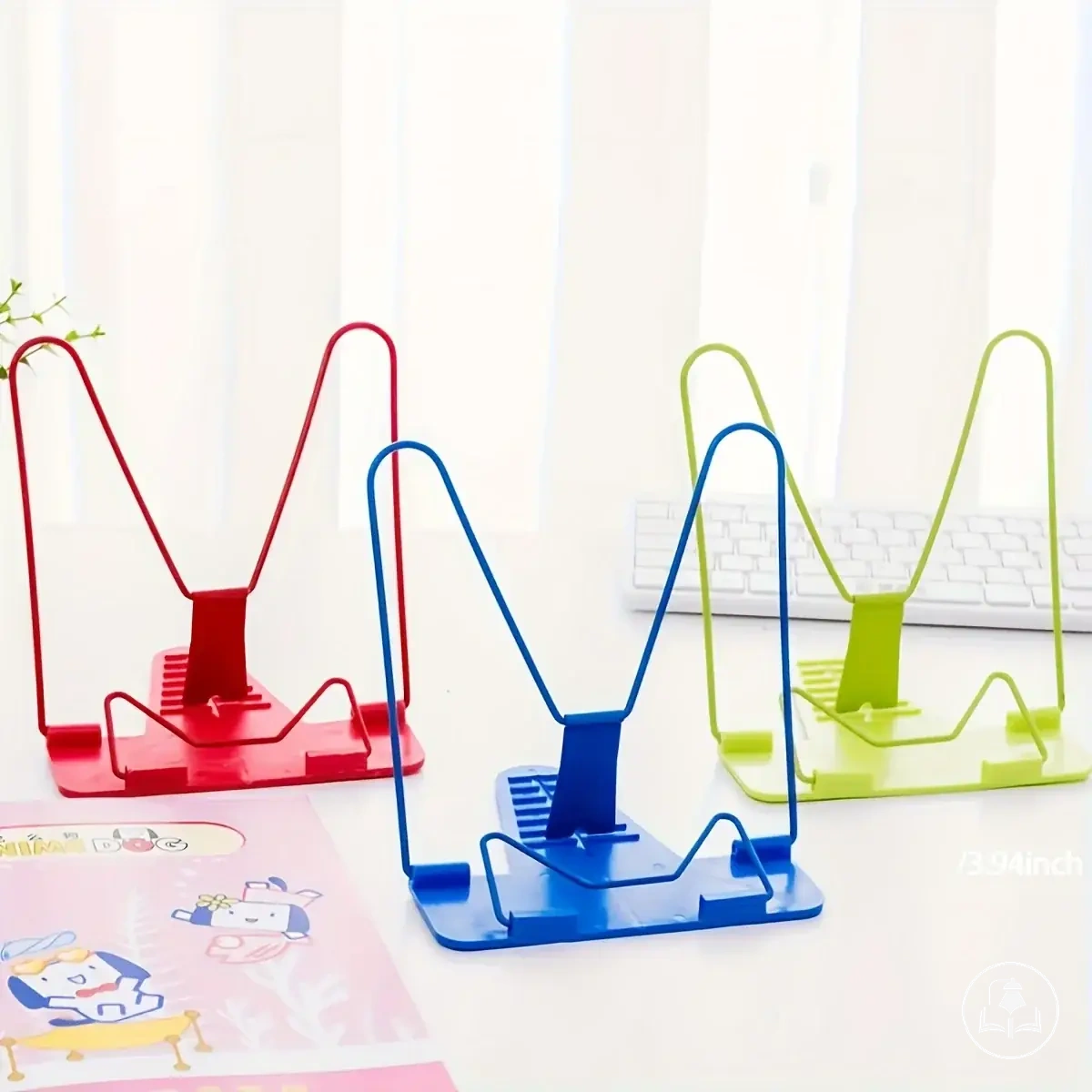
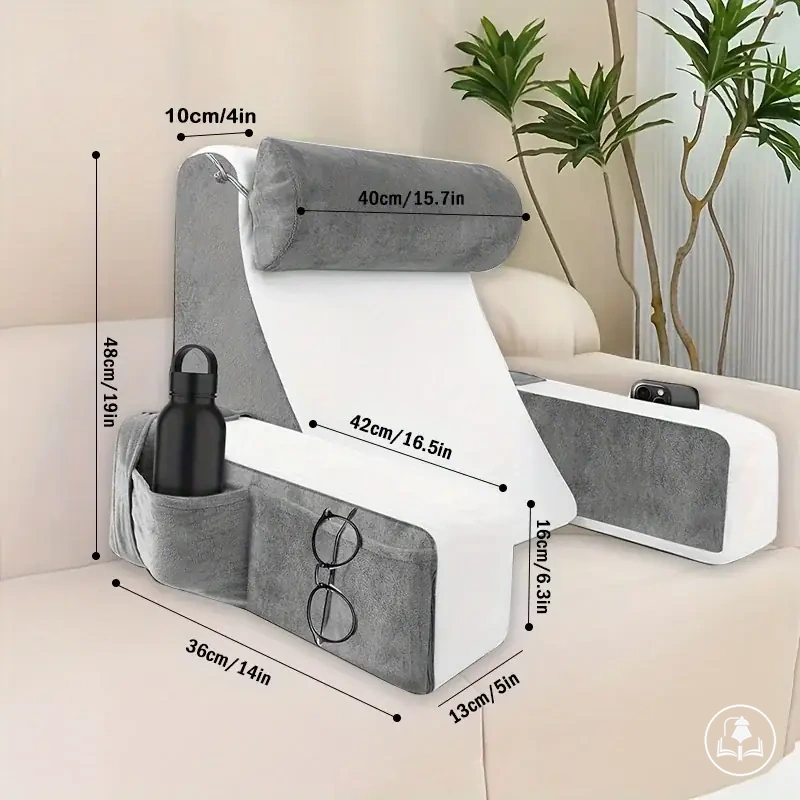
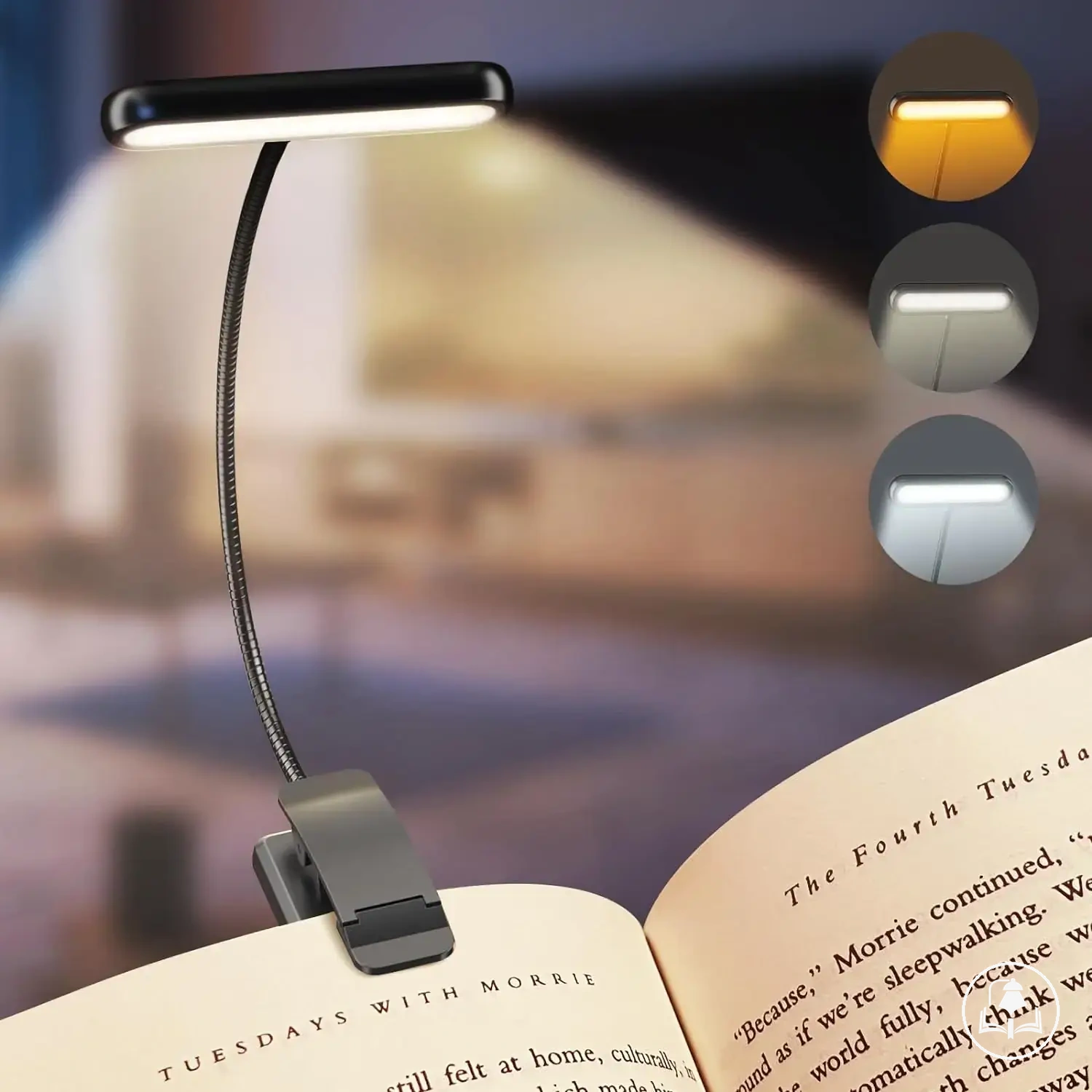


Use the following EAV structure to understand how setup conditions affect compatibility in small spaces and shared surfaces:
| Setup condition | Accessory attribute | Useful value or condition | Effect or decision |
|---|---|---|---|
| Narrow desk | Foldable support and compact light | Reduced accessory footprint and stable reach | Maintains usable reading zone without clutter expansion |
| Bedside table | Page holder and limited storage access | Controlled placement near storage boundary | Prevents overlap between reading and resting space |
| Shared desk | Removable organizer and cable routing | Clear shared boundaries and temporary setup control | Reduces interference between users and activities |
| Couch side table | Compact light and reach-based layout | Optimized dominant access zone | Improves readability in constrained seating positions |
| Temporary surface | Foldable support and stored tool separation | Fast setup and quick removal capability | Supports short-term reading without permanent clutter |
Check comfort, reach, and stability before reading
Comfort, reach, and stability are verified through a final check that confirms whether the reading setup is ready to use before starting. This final check evaluates book stability, page height, light direction, arm reach, neck position, page turning, tool access, and cable safety as a practical verification method rather than a guarantee of comfort, helping reduce repeated adjustments during reading. :contentReference[oaicite:0]{index=0}
Issues in setup often appear when book stability is weak, page height is misaligned, or arm reach extends too far for natural positioning. These conditions can lead to slipping support, uneven viewing angle, or unnecessary strain during reading. Checking stability and reach together helps identify whether the setup needs adjustment before reading begins, especially when the reading surface or stand is not fully fixed. :contentReference[oaicite:1]{index=1}
Light direction and page turning influence how usable the setup remains during actual reading. Poor light placement may create glare or reduce visibility, while difficult page turning can interrupt flow and increase hand movement. Tool access and cable safety also matter because loose tools or obstructive cables can interfere with movement or create clutter around the reading area during use. :contentReference[oaicite:2]{index=2}
In real conditions, a setup may feel stable at first but shift slightly after a few minutes of reading due to posture or surface changes. This makes short rechecks useful for arm reach and neck position as reading continues. At this stage, maintain reading accessories becomes relevant when deciding whether to keep, adjust, or simplify elements based on continued usability. :contentReference[oaicite:3]{index=3}
Final decisions depend on clear signals such as slipping book support, increased arm reach, reduced visibility, or unstable cables. If book stability drops, adjust or reposition the stand; if light direction causes glare, reposition the light; if tool access or cable safety interferes with movement, simplify the layout; and if instability continues, stop using the unstable item until corrected. :contentReference[oaicite:4]{index=4}
The products below are useful examples for comparing available options. Before buying, check that the compatibility criteria, key features, and product details match your needs.
- Book stability — check whether the book remains steady on the stand or support; acceptable condition is no sliding; adjust by repositioning or securing support.
- Page height — check whether pages align with natural eye level; acceptable condition is minimal neck tilt; adjust by raising or lowering the stand.
- Light direction — check whether illumination is even without glare; acceptable condition is clear visibility; adjust by changing lamp angle or position.
- Arm reach — check whether arms stay relaxed during page access; acceptable condition is no overextension; adjust by moving book closer.
- Neck position — check whether neck remains neutral while reading; acceptable condition is low strain; adjust seating or book height.
- Page turning — check whether pages turn smoothly without interruption; acceptable condition is consistent flow; adjust grip or support angle.
- Tool access — check whether marking tools are reachable without interruption; acceptable condition is direct access; adjust layout to reduce clutter.
- Cable safety — check whether cables are clear of movement paths; acceptable condition is no interference; adjust routing or placement.
This chart groups the key checks for comfort, reach, and stability, showing the specific criteria to verify before reading.
