

Best reading accessories by need, setup, and reading habit
Reading accessories are selected based on reading need, reading setup, and reading habit rather than a fixed product list. The right choice depends on how comfort, lighting, portability, storage, gift suitability, and value align with the reader’s daily use. This creates a need–setup–habit decision frame for choosing practical reading gear.
Different readers approach reading in different ways depending on their environment and routine. Some prioritize comfort for longer sessions, while others focus on lighting conditions or portability when moving between places. Storage needs and ease of carrying reading tools can also change what becomes practical versus unnecessary in daily use. These differences matter more than general popularity or assumptions about what works for everyone.
The main challenge is that reading accessories are often grouped by type instead of actual use context, which can lead to mismatched choices. A clearer approach is to start from the problem the reader experiences and then connect it to setup conditions and habit patterns. This shifts the decision from product-first thinking to requirement-first selection.
Practical reading needs before choosing accessories
Practical reading needs depend on the conditions that guide reading accessories selection, acting as the main filter for accessory priority based on comfort, visibility, portability, and storage. This means the right choice is shaped by the reader’s use case rather than the accessory type itself. In most situations, the strongest constraint such as low-light reading or hands-free use determines what should come first.

Comfort relates to posture support and how long reading can continue without strain, while visibility depends on lighting level and reading location. Portability becomes important when reading moves across spaces, and storage affects how safely books and tools are carried or kept. Hands-free use often supports longer reading sessions, while low-light reading changes how strongly visibility tools are prioritised. Book protection and note-taking also shift accessory priority depending on how actively the reader interacts with the material. When conditions overlap, the most limiting factor usually sets the accessory direction.
Practical reading needs can be translated into a simple checklist that helps identify which condition should guide accessory selection before comparing options. This ensures decisions stay tied to real reading constraints rather than general accessory categories.
- Comfort need → choose support-focused accessories when posture strain or long sessions define the reading condition
- Visibility need → choose lighting-related support when low-light reading or uneven brightness affects reading clarity
- Portability need → choose compact tools when reading happens across multiple locations or travel-based routines
- Storage need → choose protective solutions when books and tools require safe carrying or organised storage
- Note-taking need → choose marking or journaling support when active reading and annotation are part of the routine
When multiple practical reading needs exist together, the strongest constraint should lead the accessory selection, while secondary needs act as supporting conditions. This prevents over-selection of tools and keeps accessory priorities aligned with the actual reading situation.
Comfort, posture, and hands-free support
Comfort, posture, and hands-free support refers to the reading support conditions that help extend longer reading sessions by stabilising reading position and reducing continuous hand holding strain. It is shaped by how the reader positions the body and how the accessory maintains page control or book balance during use. This directly connects to comfort and hands-free needs as a key factor in practical reading needs, especially when sustained reading duration is required.

The support structure varies depending on whether the reader prioritises a fixed position or flexible handling control. A reading pillow supports relaxed positioning in bed or lounge settings, while a book stand or book holder maintains elevation and viewing angle on a desk or table. A page holder or grip helps maintain page stability during one-handed reading, especially when note-taking or intermittent interaction is needed. This aligns with comfort and hands-free needs when choosing between holder and stand approaches.
Posture and support condition breakdown: the effectiveness of comfort-related reading accessories depends on how the reader position aligns with the support attribute and fit condition, influencing hands-free use and longer reading sessions stability.
- Bed or lounge position → reading pillow → supports relaxed body alignment for extended reading duration
- Desk position → book stand → maintains elevated viewing angle for stable visibility
- Fixed reading surface → book holder → stabilises book opening for continuous reading flow
- Page control need → page holder → keeps pages stable during movement or light handling
- Grip requirement → grip aid → improves one-handed handling during note-taking or multitasking
Lighting, visibility, and eye comfort
Lighting, visibility, and eye comfort refers to how reading light conditions support clear visibility during different reading situations. It is mainly shaped by how a book light or rechargeable book light directs illumination across the page and how this affects reading clarity in different environments.

Lighting for reading depends on how a book light or rechargeable book light controls visibility through brightness, beam direction, colour temperature, and adjustability. These factors influence how evenly text appears on the page in different reading locations, such as bed, desk, or travel-based setups. Battery type or rechargeability affects how consistently the light can be used across different environments where access to power may vary, which can indirectly affect reading continuity and eye comfort.
Lighting attribute checklist: lighting choice depends on key control and environment factors that shape visibility and reading comfort.
- Brightness → adjusts visibility level based on reading conditions
- Beam direction → controls how light is focused across the page
- Colour temperature → changes visual tone depending on reading preference
- Adjustability → supports flexible positioning of the light source
- Battery / rechargeability → affects portability and use across locations
- Reading location → determines how lighting is positioned for clarity
Portability, protection, and storage
Portable reading accessories refer to compact components that support carrying books and reading tools safely while maintaining protection, storage efficiency, and quick access during movement between reading locations :contentReference[oaicite:0]{index=0}. This includes portability as the main constraint that combines protection, storage, and usability when readers shift between commuting, travel, and short reading breaks.
Portable reading accessories such as a travel book sleeve, pouch, bookmark, journal, and compact holder manage different aspects of protection and storage. A travel book sleeve and pouch improve protection through closure and compact structure, while bookmarks and journals support quick access without adding weight or reducing portability. A compact holder balances storage efficiency and handling comfort, especially when reading setups change across commuting or mobile reading conditions where space and quick access matter.
Portability depends on size, weight, closure, and storage capacity.
- Size → determines how compact portable reading accessories remain during transport
- Weight → affects carrying comfort during commuting and travel use
- Closure → supports protection and reduces exposure during movement
- Storage capacity → controls how many reading items can be carried together
- Quick access → improves usability during short reading breaks
This chart illustrates the portability determinants and core functions that define portable reading accessories.

Best reading accessories by reading setup
Best reading accessories by reading setup depend on the reading environment because support, lighting, and portability needs change across bed reading, desk reading, chair reading, study reading, commuting, and travel reading conditions. Each reading setup creates different constraints that influence which reading accessories are more suitable for comfort and usability rather than applying a single fixed choice.
A bed reading setup typically shifts priority toward comfort and relaxed support, while desk reading and study reading setups emphasize structured posture and controlled lighting for focus. Chair reading and casual reading environments usually balance comfort with flexibility, depending on how long the reading session lasts. Commuting and travel reading setups place stronger emphasis on portability and compact accessories due to limited space and movement conditions.
Reading setup changes directly affect how support, lighting, and portability are balanced, so accessory selection depends on the physical conditions of each environment rather than a universal rule. The comparison below shows how different setups influence practical accessory decisions.
| Reading setup | Primary constraint | Accessory focus | Decision outcome |
|---|---|---|---|
| Bed reading | Comfort and support | Support-focused accessories | More relaxed reading posture |
| Desk reading | Lighting and structure | Stable lighting and organization | Improved reading focus |
| Chair reading | Balanced comfort and control | Flexible support tools | Stable but adaptable setup |
| Study reading | Concentration and lighting | Structured reading support | More focused study environment |
| Commuting | Portability and quick access | Compact accessories | Easier reading on the move |
| Travel reading | Protection and storage | Portable protective items | Safer carrying and organization |
Each reading setup creates a different priority balance, so the most suitable reading accessories depend on whether the user needs more support, lighting control, or portability in that specific environment. Selection becomes more practical when the setup condition is matched with the dominant constraint.
Accessories for reading in bed
Accessories for reading in bed depend on how bed reading is supported through posture stability, lighting angle, hands-free control, and page handling, since each of these conditions changes which reading accessories improve usability. A reading pillow often provides basic support for positioning, while a book light adjusts lighting angle for clearer visibility without changing the surrounding environment. Hands-free holder and page holder tools can further reduce manual effort when maintaining reading stability during longer sessions.
Bed reading conditions vary based on how much support and control the reader needs, especially when shifting between relaxed and focused reading positions. In many cases, these differences are described as bed reading needs, where support, lighting direction, and page control define the accessory combination rather than a single fixed setup choice.
Bed reading accessory checklist: bed reading setup can be evaluated by matching core reading conditions with suitable support and control tools.
- Support → reading pillow used to maintain stable positioning
- Lighting angle → book light adjusted for direct page visibility
- Hands-free control → hands-free holder used to reduce holding effort
- Page stability → page holder used to keep pages fixed during reading
- Overall stability → combination of support and lighting alignment for consistent reading comfort
This chart shows the main categories of bed reading accessories and how they address posture stability, lighting angle, and manual effort reduction.

Accessories for desk, chair, and study reading
Desk reading, chair reading, and study reading depend on viewing angle, lighting, hands-free stability, annotation needs, and surface space, since these conditions determine which reading accessories fit the setup. A book stand or book holder often supports stable viewing angle control, while lighting and bookmark tools adjust visibility and page tracking depending on how structured or flexible the reading session is.
Desk reading and study reading typically rely more on controlled viewing angle and consistent lighting, where a book stand and adjustable lighting help maintain stable page visibility. Chair reading may shift toward more flexible positioning, where a book holder or bookmark supports easier page management without requiring a fixed setup, and a journal may be used when annotation or note capture is part of the reading activity.
Selection criteria for seated reading setups: desk, chair, and study reading choices can be evaluated based on a few core conditions that influence accessory fit.
- Viewing angle → determines whether a book stand or flat placement is more suitable
- Lighting → affects need for additional lighting support in low or uneven conditions
- Stability → influences whether a book holder is needed for hands-free reading
- Annotation need → decides whether a journal or note-taking support is required
- Page control → affects use of bookmarks for tracking and continuity
Accessories for travel and commuting
Travel reading and commuting reading depend on portability, book protection, and quick access, since limited space and movement conditions shape which reading accessories remain practical. A travel book sleeve typically supports protection for books during transport, while a compact book light improves visibility when reading in low or changing light environments. Bookmark, journal, and page holder tools support continuity and page management without requiring a fixed setup.
Portable reading needs change depending on whether the reading material is a hardcover, paperback, or borrowed book, since protection requirements may increase when handling more fragile or shared items. In commuting situations, quick access becomes more important than full setup stability, which shifts focus toward compact tools and lightweight accessories. These differences can be aligned with portable reading needs when selecting tools that balance protection and usability during movement.
Travel and commuting accessory checklist: travel reading setup can be evaluated based on how well each accessory supports movement-based reading conditions.
- Protection → travel book sleeve used to reduce physical wear during transport
- Lighting → compact book light used for visibility in low-light environments
- Page control → bookmark used for quick continuation during short reading sessions
- Note capture → journal used when annotation or reflection is required on the move
- Handling → page holder used to maintain stability during one-handed reading
This section is supported by source file reference :contentReference[oaicite:0]{index=0}.
Accessory types that fit most reading habits
Accessory types that fit most reading habits depend on how reading is structured around comfort, lighting, stability, and portability, since each reading situation prioritizes different constraints. A book light, book holder, book stand, reading pillow, book sleeve, page holder, reading journal, and reading accessory set each serve distinct functional roles such as lighting control, posture support, storage protection, or annotation support.
Accessory types are easier to compare when grouped by function, habit, and constraint, because usefulness changes depending on the reading condition rather than the product itself. This compare by function approach helps separate lighting-focused, support-focused, and storage-focused tools into clearer decision groups before evaluating suitability across reading habits.
The table below organizes accessory types using an EAV structure, showing how each reading tool connects to a core function, the reading habit it supports, and its typical limitation. This structure highlights practical value conditions instead of popularity or assumptions about universal usefulness.
| Accessory type | Core function | Best-fit reading habit | Limitation / trade-off |
|---|---|---|---|
| Book light | Lighting support for low-light reading | Night or dim environments | Requires power source and angle adjustment |
| Book holder | Stabilizes pages for hands-free use | Long reading sessions | Less portable in travel conditions |
| Book stand | Maintains stable viewing angle | Desk or study reading | Needs stable surface space |
| Reading pillow | Supports posture and comfort | Relaxed or bed reading | Less precise for structured reading setups |
| Book sleeve | Protects books during transport | Commuting and travel reading | Does not support active reading functions |
| Page holder | Maintains page position | One-handed or mobile reading | Limited structural support |
| Reading journal | Supports annotation and notes | Active or reflective reading | Adds carrying and usage overhead |
| Reading accessory set | Combined multi-tool support | Mixed reading environments | May include unused components |
When comparing accessory types across reading habits, each tool should be evaluated by how well it matches a specific constraint such as lighting, posture, portability, or annotation need rather than assumed general usefulness.
Book lights, holders, stands, pillows, sleeves, page holders, and journals
Book lights, holders, stands, pillows, sleeves, page holders, and journals refer to functional reading accessory components that differ by function, setup fit, and usage constraint, especially across lighting, support, protection, page control, and reading tracking needs. Each item represents a distinct reading aid category where performance depends on how the reading environment shapes requirements rather than on the accessory itself.
These accessory types are best understood by separating their core function and the condition they respond to. A book light addresses light level in low-visibility reading environments, while a holder and stand relate to setup fit by adjusting viewing angle and reducing hand fatigue depending on surface stability. A reading pillow supports comfort in relaxed positions, a sleeve focuses on book protection during transport, a page holder manages hand fatigue and page stability during one-handed reading, and a reading journal supports reading tracking and annotation. Similar items such as holders and stands may overlap in purpose, but differ in setup fit, since stands generally rely on stable surfaces while holders can vary more in positioning flexibility.
The table below clarifies the functional role of each accessory type using an attribute-based comparison focused on reading conditions rather than ranking or preference. This helps distinguish how each reading aid contributes to specific decision variables such as light level, support angle, hand fatigue, book protection, page control, and reading tracking.
| Accessory | Function | Suitable condition | Decision effect |
|---|---|---|---|
| Book light | Lighting control | Low-light or night reading | Improves visibility and reduces eye strain conditions |
| Holder | Book stabilization | Hands-free or long reading sessions | Reduces hand fatigue depending on setup fit |
| Stand | Viewing angle support | Desk-based or stable surface reading | Improves posture alignment through fixed positioning |
| Reading pillow | Posture support | Relaxed or bed reading setups | Adjusts comfort level in non-structured positions |
| Book sleeve | Protection | Transport or commuting reading | Reduces exposure damage during movement |
| Page holder | Page stability | One-handed or mobile reading | Maintains page position under movement conditions |
| Reading journal | Tracking and annotation | Active or reflective reading habits | Supports structured reading notes and retention |
Single accessories, bundles, and reading accessory sets
Single accessories, reading accessory sets, and bundles differ by how reading functions are distributed across one item or multiple combined components, and this directly affects overlap, redundancy, and value depending on the reader’s combined needs. A single accessory targets one specific function, while a reading accessory set or bundle groups multiple functions that may or may not align with the same reading routine.
A single accessory is the better fit when the reading need is narrow and clearly defined, because it avoids redundancy by focusing on one function such as lighting, support, or page handling. A reading accessory set becomes more relevant when combined needs exist in the same reading environment, such as needing both a book light and a holder in different situations. However, overlap between included items can reduce value when multiple components solve the same constraint, especially if usage remains limited to one primary function. In contrast, a bundle may introduce additional redundancy depending on how many included tools match the actual reading behavior.
The comparison below highlights how single accessories, sets, and bundles differ in function coverage, overlap risk, and value outcome based on combined reading needs.
| Type | Included functions | Overlap or redundancy condition | Value outcome |
|---|---|---|---|
| Single accessory | One focused function such as light, support, or protection | Low overlap and minimal redundancy | Higher precision when reading need is specific |
| Reading accessory set | Multiple complementary functions such as lighting, support, or tracking | Moderate overlap depending on setup fit and usage pattern | More suitable when combined needs exist across routines |
| Bundle | Grouped items with mixed functional coverage | Higher risk of redundancy if functions repeat | Value depends on how many items match actual usage |
Choice between a single accessory and a reading accessory set depends on whether the reading habit is centered on one constraint or multiple combined needs. When the reading setup is stable and focused, a single item reduces unnecessary overlap, while changing environments or multi-condition reading routines may justify a set or bundle if the included functions are actually used.
How to match accessories to the main reading constraint
How to match accessories to the main reading constraint depends on identifying the dominant selection constraint before comparing options, since accessory attribute alignment such as fit, adjustability, material, power source, storage, and frequency of use directly shapes the buying decision outcome. This step frames the decision logic for selection, and it aligns with the idea of how to choose first by prioritizing the main reading constraint over secondary preferences.
The main reading constraint should be isolated first because accessory selection becomes inconsistent when multiple weak decision factors are treated equally. Once the constraint is clear, the evaluation shifts into structured criteria mapping rather than preference-based comparison.
- Reader constraint → defines whether lighting, posture, portability, or tracking is the dominant need
- Accessory attribute → maps fit, adjustability, material, or power source to the constraint
- Fit condition → checks whether the accessory matches the reading setup environment
- Storage → evaluates portability and carrying practicality
- Frequency of use → determines durability and usage suitability over time
- Buying decision → results from matching constraint priority with functional requirements
In mixed reading scenarios, more than one constraint may appear relevant, such as comfort combined with lighting or portability combined with tracking needs. Even in these cases, the main reading constraint should remain the primary driver of the buying decision, while secondary factors only refine accessory attribute selection such as adjustability, material, and storage considerations.
Overall, matching accessories to the main reading constraint ensures the buying decision remains structured and focused on functional fit rather than scattered feature accumulation across multiple reading contexts.
This chart shows how to identify the dominant reading constraint and align accessory attributes like fit, storage, and frequency to achieve a structured buying decision.

Choose by problem before choosing by product type
Choosing by problem before choosing by product type depends on identifying the reading problem first and translating it into a required attribute and accessory category instead of starting from item names. A reading problem such as dim light, hand fatigue, posture issues, travel damage, or note tracking determines the required attribute and guides the buying decision toward product type rather than general preference.
Once the reading problem is clear, the selection can be structured through a problem-to-solution mapping that keeps the decision aligned with function rather than accessory type alone.
- Dim light → required attribute: visibility support → accessory category: book light → decision outcome: improved reading clarity in low light
- Hand fatigue → required attribute: reduced grip load → accessory category: holder or page support → decision outcome: less strain during longer reading
- Posture → required attribute: alignment support → accessory category: reading pillow or stand → decision outcome: more stable reading position
- Travel damage → required attribute: protection and coverage → accessory category: sleeve → decision outcome: reduced risk during transport
- Note tracking → required attribute: recording and reference → accessory category: reading journal → decision outcome: better reading continuity and recall
This problem-first selection approach ensures the product type is chosen based on the reading problem being solved, while required attribute and accessory category act as the decision bridge between need and final buying decision, without assuming a universal solution for all reading contexts.
Balance fit, adjustability, material, power, and storage
Balance fit, adjustability, material, power source, and storage determine whether a reading accessory fits a user’s routine because each factor defines how well a tool performs under real reading conditions. A reading accessory such as a rechargeable light, adjustable holder, fabric sleeve, or reading pillow only supports the reading routine when these attributes align with use context rather than isolated preference.
The evaluation process depends on translating each accessory attribute into a practical criterion, where fit and adjustability affect usability, material influences comfort and durability conditions, power source defines lighting continuity for powered tools, and storage affects portability across different reading environments. These criteria help separate compatible accessories from those that create friction in daily use.
| Accessory | Criterion | Acceptable condition | Outcome |
|---|---|---|---|
| Rechargeable light | Power source | Stable charging access within routine use | Consistent lighting support during reading |
| Adjustable holder | Adjustability and fit | Flexible positioning for different reading angles | Reduced strain and improved usability |
| Fabric sleeve | Material and storage | Lightweight protection during transport | Lower risk of wear during movement |
| Reading pillow | Fit and material | Comfort support aligned with reading posture | More stable relaxed reading setup |
Overall, matching these criteria to the reading routine ensures that accessory selection remains functional rather than preference-driven, especially when multiple attributes such as adjustability, material, power source, and storage interact within the same setup.
Source reference: :contentReference[oaicite:0]{index=0}
Useful reading accessories as gifts for readers
Useful gifts for readers depend on the recipient routine and reading habit because gift suitability changes when comfort need, daily use, and practical accessory fit are not aligned. A reading gift works best when it matches how often the person reads and how their setup behaves, while reducing fit risk caused by mismatched expectations or unused features.
A gift-fit checklist helps translate reading habit into a practical selection decision before choosing any accessory. Useful gifts for readers can be evaluated through a simple mapping process that connects need to function.
- Comfort → supports relaxed or long reading sessions depending on posture preference
- Lighting → matches low-light or night reading conditions in the recipient routine
- Travel → supports portability needs for commuting or mobile reading habits
- Note-taking → aligns with readers who actively annotate or reflect while reading
- Storage needs → fits readers who carry or organize multiple books and tools
Reading habit determines which accessory function becomes relevant, where comfort need may point toward supportive tools, lighting may require visibility-focused accessories, and travel use may prioritize compact design. Fit risk increases when the recipient routine is unclear or when the accessory assumes usage patterns that do not match daily use behavior, making selection more dependent on actual reading context than appearance or novelty. Source reference: :contentReference[oaicite:0]{index=0}
Overall, useful gifts for readers should balance reading habit, gift suitability, and practical accessory function so the choice supports real usage conditions rather than generic appeal, especially when comfort, lighting, travel, note-taking, or storage needs vary across different readers.
Here are product examples that may make comparison easier. Before buying, always review the compatibility criteria, essential features, and product details.
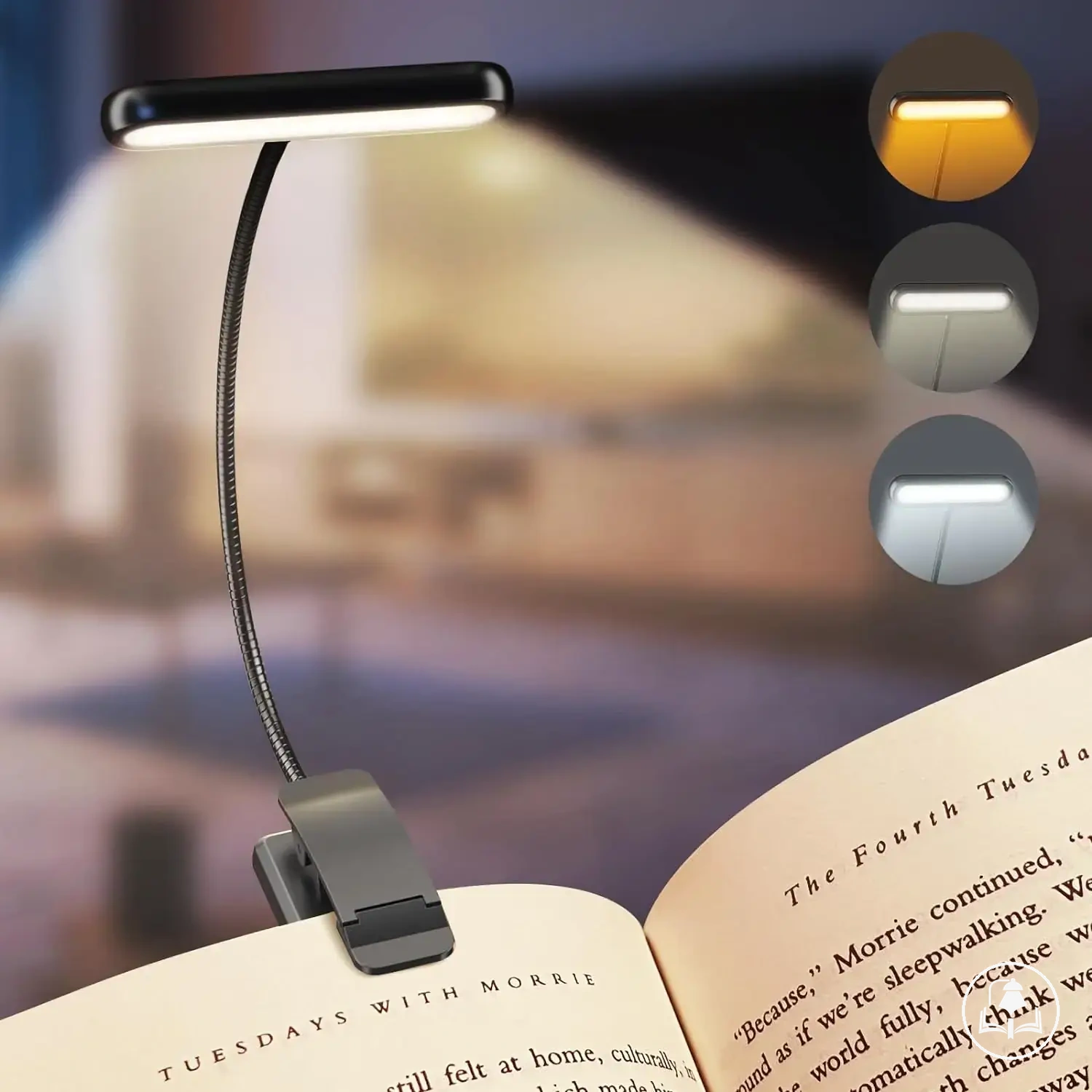

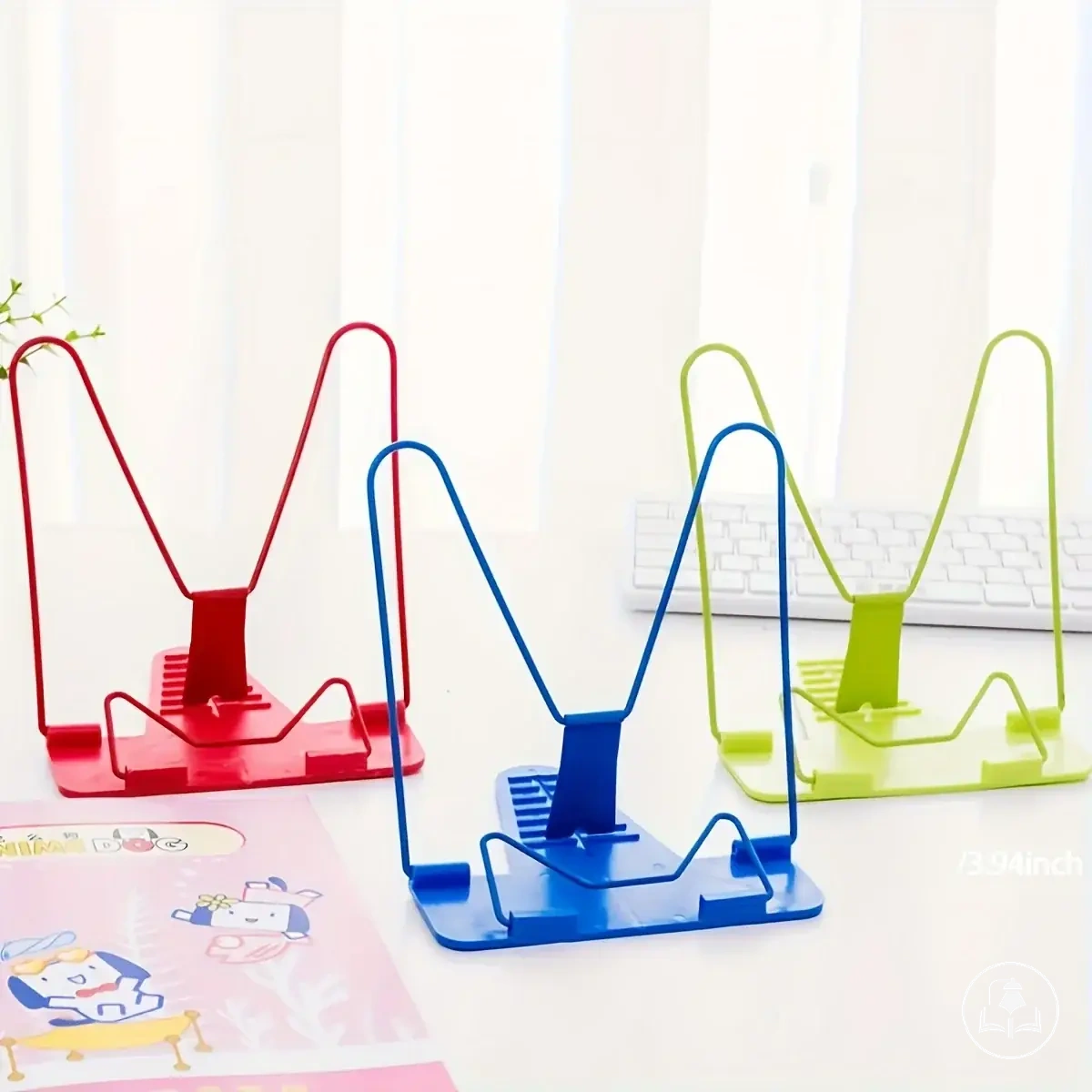
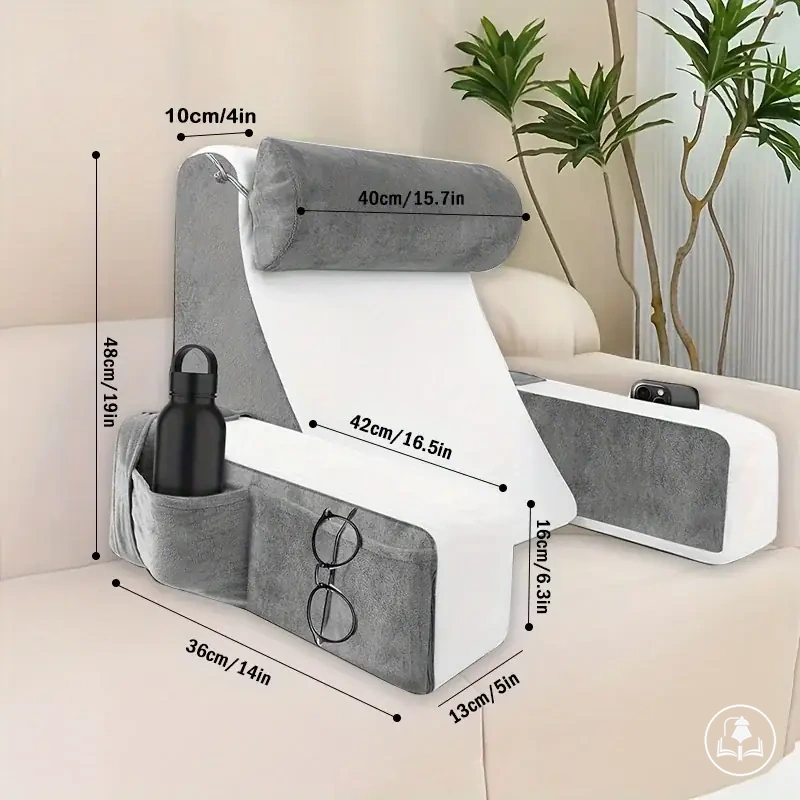

This chart shows how to map a reader's routine and needs to accessory categories for selecting a useful gift.

Gift choices by reading habit, comfort need, and daily use
Gift choices by reading habit, comfort need, and daily use depend on recipient type because a reading gift only becomes relevant when the recipient routine matches how the accessory will actually be used. A bedtime reader, commuter, student, journal user, or hands-free reader each has a different reading habit that changes the importance of comfort need and daily use conditions. Gift choice improves when the recipient routine is known rather than assumed.
- Bedtime reader → comfort need → soft support or low-light use → safer gift match for relaxed nightly reading
- Commuter → daily use → portability-focused accessory → reduced fit risk in mobile environments
- Student → reading habit → structured study support → stable use during focused sessions
- Journal user → daily use → note-support accessory → improved tracking and reflection use
- Hands-free reader → comfort need → support or holder function → reduced strain during long sessions
Matching reading habit to comfort need and daily use helps refine gift suitability by connecting recipient type to a practical accessory instead of relying on appearance or novelty. In some cases, considerations related to accessible reading needs can further influence selection when comfort or usability constraints vary, especially across different reading environments and routines.
Fit risk increases when the gift ignores how often the accessory will be used in daily reading or when the comfort need does not match the recipient’s actual reading habit. A clearer mapping between recipient type, reading habit, and daily use improves the likelihood that the practical accessory aligns with real-world use conditions without overgeneralizing across all readers.
Overall, gift choices aligned with reading habit, comfort need, and daily use create more consistent gift suitability because they reflect how the recipient actually interacts with reading in daily life rather than focusing only on surface-level preference.
Price and value checks before buying
Price and value depend on use frequency because a reading accessory is only worth buying when its value aligns with fit, durability, adjustability, and daily usefulness rather than price alone. A higher price does not automatically improve value if build quality, fit, or durability does not match the reading context, and overbuying can reduce practical daily usefulness.
Price should be interpreted through a cost-value perspective before comparing options, since value shifts based on how frequently an accessory is used and how well it fits the setup. This price and value guide helps structure the evaluation around practical conditions instead of surface comparison.
Value checklist: price relevance → use frequency → build quality → fit → durability → adjustability → daily usefulness → overbuying risk.
Accessory value differs by type: a cheap light may still be useful when use frequency is low and lighting need is occasional, adjustable holders tend to justify value when fit and adjustability are required for longer reading sessions, pillows depend on comfort-based fit and durability, sleeves focus on material protection during transport, and sets only make sense when multiple functions are actually needed without overlap. Each case depends on whether the accessory improves daily usefulness in real conditions.
Buying decisions become clearer when separating single-item needs from set-based purchases, since one practical item is often enough when the reading setup is stable, while sets may only be justified when multiple constraints exist across different environments. Overbuying reduces value when unused features accumulate, and upgrades are only reasonable when durability or adjustability no longer matches the reading requirement.
Here are product examples that may make comparison easier. Before buying, always review the compatibility criteria, essential features, and product details.
Overall, value is determined by how price connects with use frequency, build quality, fit, durability, adjustability, and daily usefulness, rather than assuming higher price equals better value.
This chart shows the key factors that determine value for reading accessories, along with buying strategies and warnings to avoid overpaying.
