

Reading Accessory Selection Checklist
Reading accessories define a better choice when they match repeated reading needs, reading habits, setup conditions, and fit requirements before product comparison. A book light, book holder, reading pillow, bookmark, page holder, journal, or book sleeve may be useful when its role connects to a real reading condition, not because it appears popular, trendy, or giftable.
Use the selection checklist as a route from need to evaluation: identify the friction, match the accessory function, check whether it fits the book and reading position, then compare overlap, portability, and price visibility. This approach keeps the decision focused on usefulness rather than building a universal list of items every reader supposedly needs.
- Need: choose an accessory when a repeated reading condition creates friction.
- Habit: match the tool to how the reader holds, marks, tracks, lights, or protects reading material.
- Setup: check whether the accessory suits home, bed, desk, travel, or mixed reading contexts.
- Fit: verify book format, support surface, page control, storage space, and everyday handling before price checking.
- Overlap: avoid duplicated functions unless a bundle clearly supports repeated multi-need use.
A strong visual for this page should group reading accessories by selection context: comfort, visibility, page control, portability, protection, and price-checking readiness. That organization helps readers evaluate accessory roles before comparing individual options.
Accessories for Crisping and Air Circulation
Crisping support depends on airflow, spacing, and exposed food surface. A rack, crisper plate, or perforated insert can help when air circulation reaches more of the food. The outcome still depends on food moisture, quantity, preheating, and basket fit.
Raised and perforated accessories support crisping by creating elevation and allowing airflow around more surfaces. A rack increases elevation, while a crisper plate or perforated insert uses a hole pattern to expose more food area to moving air. When holes remain open and spacing is maintained, these accessories may support surface drying and browning while reducing sogginess risk. Accessories for Crisping and Air Circulation depend on airflow, spacing, perforation, and food exposure.
- Elevation: a rack or raised rack can create more clearance beneath food.
- Perforation: a crisper plate or perforated insert should allow airflow through its hole pattern.
- Food spacing: crowding may limit air circulation between pieces.
- Moisture: higher food moisture can affect crispness and browning.
- Quantity: larger batches may reduce exposed surface area.
- Clearance: adequate airflow space helps air move around the food.
When food benefits from added elevation and more air circulation underneath, a rack may help. When the basket already provides enough spacing and airflow for the quantity being cooked, a flat basket surface may be enough. For broader preparation guidance after evaluating crisping support, see using accessories for cooking.
Comfort and posture limitations
Comfort limitations depend on recurring reading conditions rather than isolated discomfort. When neck angle, wrist strain, hand fatigue, book weight, or reading duration repeatedly make reading less comfortable, a support accessory may be worth considering because it can reduce the need to maintain the same position throughout a reading session.

The image highlights posture and book-support cues that can signal when additional support may be useful. A book holder may help when book weight contributes to hand fatigue, while a reading pillow may be relevant when reading posture becomes difficult to maintain during longer reading sessions. Comfort effects vary by reading setup, body position, and individual preference.
Comfort-related signals are selection cues, not medical conclusions. If discomfort patterns consistently appear during reading, they can indicate a need to review comfort factors before comparing support accessories. Support tools may improve reading convenience in certain situations, but they should not be treated as medical treatment or as a guarantee of posture improvement.
- Neck angle: frequent downward viewing may suggest evaluating elevated book support.
- Hand fatigue: repeated effort from holding heavier books may justify hands-free support.
- Wrist strain: extended holding positions can be a signal to consider support options.
- Reading duration: longer sessions may increase the relevance of comfort-focused accessories.
Lighting and focus conditions
Lighting and focus conditions depend on recurring visibility or page-tracking difficulties rather than occasional reading interruptions. When dim light, glare, inconsistent page contrast, or line-tracking challenges repeatedly affect reading clarity, a support tool such as a reading light, line guide, or magnifier may be worth considering because it can help address the specific reading condition.

The image highlights light direction and page-focus cues that can influence reading clarity. It shows how glare, uneven lighting, and page visibility conditions may affect reading, while support tools can help manage the reading environment rather than change vision itself.
Visibility tools are most relevant when the same condition appears across multiple reading sessions. For example, a reading light may help when ambient light regularly makes text harder to see, while a line guide may be useful when maintaining place on the page becomes difficult in visually busy layouts. These tools support reading conditions and should not be treated as eye-care devices or vision-correction solutions.
- Dim light: reduced page visibility may justify additional reading illumination.
- Glare: reflected light on the page can make text harder to follow.
- Page clarity: inconsistent contrast may increase reading effort in certain environments.
- Line tracking: difficulty following text lines may justify a visual guide.
- Distraction: visual clutter can make focus-support tools more relevant.
Page control, marking, and note habits
Page control, marking, and note habits depend on how often a reader needs to hold pages open, return to specific locations, record observations, track progress, or preserve book condition. When these habits occur repeatedly during reading sessions, a page-control or note-support accessory may be worth considering because it addresses a recurring reading behavior rather than an occasional need.
Losing place in a book, managing pages that do not stay open, or returning to the same passages frequently can create a practical reason to evaluate a bookmark, page holder, or similar reading aid. The need depends on habit frequency and whether the interruption regularly affects reading flow.
Marking and note habits create a separate selection criterion. Readers who regularly record reflections, references, or reading observations may find a journal or note companion useful, while readers who rarely revisit notes may not need a dedicated solution. The purpose is reading support rather than general stationery organization.
- Page holding: repeated difficulty keeping pages open may justify a page-control aid.
- Place tracking: frequent loss of reading position may support bookmark use.
- Marking: recurring reference habits may justify removable markers or tabs.
- Annotation: regular note-taking may create a need for a separate reading journal.
- Book preservation: avoiding folded corners or direct page marking may influence accessory selection.
- Progress tracking: repeated tracking habits may justify a dedicated reading marker.
This chart shows how specific reading habits—page holding difficulty, place tracking loss, and marking/note behaviors—indicate the need for different reading aids like bookmarks, page holders, or journals.

Home, bed, desk, and travel conditions
Reading location changes accessory requirements because support, lighting, stability, storage, and portability needs vary by setting. The usefulness of an accessory depends on factors such as available surface space, reading posture, movement, and how often the reading setup changes.
The comparison below clarifies how home reading, bed reading, desk reading, commuting, and travel can influence accessory selection without making the setup itself the focus.
| Reading Setting | Selection Consideration |
|---|---|
| Home reading | Convenience and ongoing access may make support-focused accessories more relevant. |
| Bed reading | Limited positioning options may increase attention to lighting and reading support. |
| Desk reading | A stable surface may make page control and note-related habits more noticeable selection factors. |
| Commute | Movement and limited space may increase the value of compact reading support. |
| Travel | Storage limitations and changing reading environments may influence accessory practicality. |
On-the-go reading conditions often place greater emphasis on portability and storage efficiency than fixed-location reading. Readers comparing travel-oriented options can review portable reading accessories after identifying how movement and limited space affect their reading habits.
Essential, Optional, and Decorative Accessories
Accessory status depends on function, frequency, and consequence. An essential accessory addresses recurring friction that regularly interrupts reading, an optional accessory adds convenience when a condition occurs occasionally, and a decorative accessory primarily reflects personal preference rather than a functional reading need.
Essential accessory status is not fixed to a specific item. An accessory may become essential when the same reading difficulty appears often and the consequence affects reading comfort, visibility, page control, or reading continuity. When the condition is infrequent or has limited effect on the reading experience, the same accessory may be optional instead.
| Accessory Status | Primary Basis | Selection Consideration |
|---|---|---|
| Essential | Recurring friction | Addresses a repeated reading problem with meaningful consequences for reading flow. |
| Optional | Convenience | May improve the reading experience when a condition occurs occasionally or in specific situations. |
| Decorative | Preference | Primarily reflects personal style or enjoyment rather than reading necessity. |
These categories are not rankings. An accessory can move between classifications as reading habits, environments, and priorities change. The most useful classification comes from evaluating recurring friction, usage frequency, practical consequence, and personal preference rather than relying on universal must-have claims.
Accessory Types to Match Before Comparing Products
Accessory types are grouped by function so readers can match a reading need to the correct category before comparing individual options. This function-first approach helps narrow choices because different accessory groups support different reading conditions, habits, and priorities.
The table below organizes accessory types by primary function and the conditions where each group may be useful. Readers who want a broader category overview can explore reading accessory types after identifying the function group that most closely matches their reading needs.
| Accessory Group | Primary Function | Useful Condition |
|---|---|---|
| Comfort and support accessories | Support reading posture and book handling | May be useful when reading duration or positioning creates recurring discomfort. |
| Visibility accessories | Support page visibility and reading focus | May be useful when lighting or page-tracking conditions affect reading clarity. |
| Page-control accessories | Help manage page position and reading continuity | May be useful when keeping pages open or maintaining reading position becomes repetitive. |
| Organization accessories | Support notes, references, and reading records | May be useful when reading includes regular annotation or progress tracking. |
| Protection and transport accessories | Help store or carry reading materials | May be useful when books are moved, stored, or transported frequently. |
Accessory groups are not rankings and should not be treated as fixed category boundaries. Product comparison becomes more useful after the appropriate function group is identified because relevance depends on reading habits, reading environment, and frequency of use.
Support tools for holding books and reducing strain
Support tools for holding books and reducing strain can help reduce hand effort or improve reading angle when a reader prefers less active book handling. Their usefulness depends on reading position, book size, available support surface, and how long the book needs to remain open during a reading session.
Different support subtypes address different reading conditions, so selection depends on the support attribute that matters most rather than on a universal comfort outcome.
- Book holder: a book holder can help keep a book positioned during reading, but suitability may depend on book dimensions and available support space.
- Book stand: a book stand can raise the reading angle and reduce the need to hold a book continuously, though the benefit may vary by surface stability and reading setup.
- Reading pillow: a reading pillow can support certain seated or reclined reading positions, but effectiveness depends on posture preference and reading environment.
- Page holder: a page holder can help manage page position with less hand involvement, though fit and ease of use may vary with book format and page thickness.
Each support tool involves a trade-off between stability, flexibility, portability, and positioning. A tool that improves reading angle may require more setup space, while a tool that simplifies page control may provide less overall book support. Matching support behavior to the reading position usually provides a clearer selection path than comparing products by subtype alone.
This chart shows the main factors that determine the usefulness of book support tools and the trade-offs involved, helping you select based on your reading position.

Visibility tools for light and line focus
Visibility tools for light and line focus can help improve page clarity or reading concentration when lighting, contrast, or line-tracking conditions make reading less comfortable. Their usefulness depends on the specific visibility condition rather than on a universal improvement in reading performance.
- Reading light: a reading light can direct illumination onto the page when ambient light is limited, though the effect may vary with light placement and reading environment.
- Clip light: a clip light can attach close to reading material and provide localized lighting, but suitability may depend on book size, positioning, and portability needs.
- Neck light: a neck light can provide hands-free illumination that moves with the reader, though light direction and comfort preferences may influence usefulness.
- Line guide: a line guide can help track reading position on the page when line focus becomes difficult, but the benefit depends on reading habits and page layout.
- Magnifier: a magnifier can make page details appear larger under certain conditions, though it should not be viewed as a vision-correction, medical, or accessibility device unless specifically designed for that purpose.
Each visibility tool addresses a different attribute such as light direction, brightness control, page contrast, line tracking, or portability. Matching the tool to the specific visibility condition usually provides a clearer selection path than comparing all visibility tools as a single category.
This chart shows the main types of visibility tools and the principle for matching them to specific reading conditions.

Tracking tools for pages, notes, and progress
Tracking tools for pages, notes, and progress work best when the tool matches the reading habit. A reader who mainly remembers place, marks sections, records observations, or tracks reading progress often benefits more from the appropriate tracking method than from using multiple tools for the same purpose.
- Bookmark: a bookmark is suited to returning to a reading position with minimal page interaction and may be useful when portability and quick access matter.
- Tabs: tabs can help identify multiple sections within a book, though frequent marking may influence how much material remains attached to the page edges.
- Reading journal: a reading journal supports deeper notes, reflections, or reading records, but usefulness depends on how often notes are reviewed or expanded.
- Page marker: a page marker can help track progress or temporary reference points without requiring detailed note-taking.
Book condition, marking frequency, and note depth influence which tracking tool is most appropriate. Readers who prefer minimal interaction with the book may favor removable place-tracking tools, while readers who regularly revisit ideas may prefer a separate note-based approach. Organization, retention, and preservation outcomes can vary with reading habits and how consistently the selected tool is used.
Protection and carrying tools for regular movement
Protection and carrying tools for regular movement become more relevant when books or reading accessories are transported frequently between locations. Their usefulness depends on movement conditions, storage habits, and exposure to handling, pressure, or contact with other items during routine carrying.
Readers who move reading materials regularly can match the protection method to the movement risk rather than treating all carrying tools as equivalent.
- Book sleeve: a book sleeve can provide a protective layer during transport, though the level of protection depends on material, fit, and carrying conditions.
- Pouch: a pouch can help keep smaller reading accessories together, but storage capacity and organization may vary by size and layout.
- Case: a case can add structure and separation from surrounding items, though increased protection may involve a portability trade-off.
- Storage approach: a dedicated storage location can help reduce clutter when reading materials are moved regularly, but effectiveness depends on consistent use.
When comparing protection and carrying tools, consider a short checklist:
- Movement frequency: more frequent transport may increase the value of protective features.
- Weight and portability: added protection can increase carrying bulk.
- Accessory organization: keeping related items together may simplify transport and storage.
- Wear exposure: protection benefits depend on how often books or accessories contact other carried items.
Protection, durability, and clutter-control outcomes remain conditional because carrying habits, storage conditions, and movement patterns vary between readers.
Selection Criteria for Fit and Everyday Use
Accessory fit depends on book format, reading position, setup conditions, and use frequency. Verifying these criteria before comparing price helps determine whether an accessory is likely to remain useful in everyday reading rather than appearing useful only in occasional situations.
The table below connects fit criteria to selection decisions. An accessory that aligns with daily reading habits is often more practical than one that offers additional features but creates friction during routine use.
| Fit Criterion | Acceptable Condition | Selection Implication |
|---|---|---|
| Book format | The accessory accommodates the size and style of reading material being used. | Fit concerns may outweigh other features when the accessory does not suit the book format. |
| Reading position | The accessory supports the typical seated, reclined, desk, or handheld reading setup. | A mismatch may reduce everyday usefulness even when the accessory serves its intended purpose. |
| Setup requirements | The accessory works within the available reading space and routine. | Extra setup effort can become a rejection signal when convenience is important. |
| Use frequency | The accessory addresses a condition that occurs regularly. | Frequent use may justify keeping the accessory readily available. |
| Portability | The accessory aligns with how often reading materials are moved. | Additional bulk may reduce practicality when portability matters. |
An accessory may be worth rejecting when it conflicts with the usual reading position, requires more setup than the reading routine allows, does not suit the book format, or remains unused despite appearing helpful. Everyday fit is usually determined by repeated use under normal reading conditions rather than by feature lists alone.
Fit with book format and reading position
Accessory compatibility depends on book format and reading position because size, weight, spine behavior, hand position, and viewing angle can affect how an accessory functions in everyday use. A compatible accessory for one format or reading setup may be less suitable when those conditions change.
Paperback books may allow different page-holding behavior than hardcover books because spine flexibility can vary. Large-format books may place greater demands on support and positioning than smaller books, so compatibility often depends on how the accessory manages page stability and weight under normal reading conditions.
Reading position also influences compatibility. Desk reading may provide a stable surface and a predictable viewing angle, while lap or bed reading may depend more on balance, support placement, and ease of handling. The same accessory may therefore produce different outcomes across reading positions.
A quick compatibility checklist can help identify potential mismatches before selection:
- Book format: check whether the accessory accommodates the size, weight, and page behavior of the reading material.
- Reading position: consider whether the accessory supports the usual desk, lap, handheld, or bed-reading setup.
- Viewing angle: assess whether the typical reading position allows comfortable page visibility.
- Hand position: determine whether the accessory complements the amount of book handling normally required.
- Routine use: confirm that the accessory remains practical within everyday reading habits.
Compatibility can vary between accessory designs, book formats, and reading setups, so evaluating format and position together is usually more informative than assessing either factor on its own.
Adjustability, stability, and page hold
Adjustability, stability, and page hold affect everyday usefulness because a support tool needs to remain usable throughout a reading session. When angle control, stability, or page retention does not suit the reading setup, usability may decrease even if the accessory appears suitable initially.
Local attribute checks can help identify common reading interruptions before they affect regular use:
- Angle range: a wider adjustment range may support more reading positions, but additional adjustment options can sometimes make repositioning less straightforward.
- Base stability: greater stability may reduce movement during reading, though a heavier or larger base can reduce portability in some situations.
- Grip strength: stronger grip may improve page retention under certain conditions, but excessive pressure can make page turning less convenient.
- Page retention: page hold depends on book format, page behavior, and reading position. A firmer hold may also increase the chance of covering part of the page.
- One-handed adjustment: easier adjustment may help when reading positions change frequently, though convenience can vary by design.
Trade-offs are common when evaluating these attributes. A feature that improves stability may reduce portability, while a feature that increases page hold may affect ease of page access. Checking condition, effect, and trade-off together usually provides a clearer assessment than evaluating a single attribute alone.
Size, weight, and portability
Size, weight, and portability affect everyday usefulness when an accessory is stored, carried, or moved between reading sessions. A smaller or lighter accessory may be easier to move when storage space is limited or reading locations change frequently, while a larger or heavier accessory may provide more stability under certain reading conditions.
A compact checklist can help verify whether an accessory remains practical during routine storage and movement:
- Size: overall dimensions should suit the available storage space and reading environment.
- Weight: carried weight may influence how often the accessory is moved and reused.
- Folded size: a reduced storage footprint may be useful when space is limited.
- Setup effort: lower setup effort may support more consistent use when reading locations change regularly.
- Movement: portability depends on how often the accessory is transported, repositioned, or stored.
- Durability: resistance to routine handling may become more relevant when movement is frequent.
Portability often involves a stability trade-off. Reduced size or weight may improve carrying and storage convenience, but stability can vary depending on the reading setup and support requirements. Evaluating storage needs, movement frequency, and stability together usually provides a clearer fit assessment than focusing on a single portability attribute.
Book holder, stand, or pillow fit
Book holder, stand, or pillow fit depends on the reading surface, body posture, preferred book angle, and need for hands-free support. Each support type addresses a different positioning condition, so suitability is usually determined by reading setup rather than popularity.
A book holder may be more suitable when keeping a book positioned with limited hand involvement is the priority. A book stand may fit better when angle adjustment and a stable support surface are available. A reading pillow may be more appropriate when reading posture changes frequently or when a rigid surface is not consistently available.
| Support Type | May Be More Suitable When | Caution |
|---|---|---|
| Book holder | Hands-free positioning is preferred and a support surface is available. | Suitability may vary with book format and page behavior. |
| Book stand | Book angle adjustment and surface stability are important. | Usefulness may depend on access to a stable surface. |
| Reading pillow | Reading occurs in reclined or flexible seating positions. | Support angle and stability may vary by posture and book size. |
Readers who want a broader evaluation of support options can continue with the reading accessories comparison page after identifying which support type most closely matches their reading position and support requirements.
Single Accessories, Bundles, and Overlapping Functions
Single accessories, bundles, and overlapping functions should be compared by actual reading needs rather than item count. A single accessory may be more suitable when one recurring issue needs attention, while a small bundle may make more sense when multiple reading needs occur frequently and work together during the same reading routine.
Function overlap is often the deciding factor. When two accessories address the same problem in similar ways, duplicated functions can reduce overall usefulness. When functions complement each other without creating redundancy, a bundle may provide a more practical solution for repeated multi-need use.
| Choice Type | May Be More Suitable When | Decision Signal |
|---|---|---|
| Single accessory | A specific reading friction occurs consistently. | One clear need exists without requiring additional support functions. |
| Small bundle | Multiple reading needs occur together on a regular basis. | Functions support different parts of the reading experience without significant overlap. |
| Overlapping functions | Two accessories appear to solve related problems. | Check whether each function adds distinct usefulness before selecting both. |
| Duplicated functions | Multiple accessories perform nearly the same task. | Duplication may create unused items when the second function adds limited practical value. |
Before choosing a bundle, consider frequency of use, portability needs, storage space, and whether combined functions reduce reading friction or repeat existing capabilities. The most suitable choice usually depends on how often each function is needed and whether it contributes a distinct benefit within the reading setup.
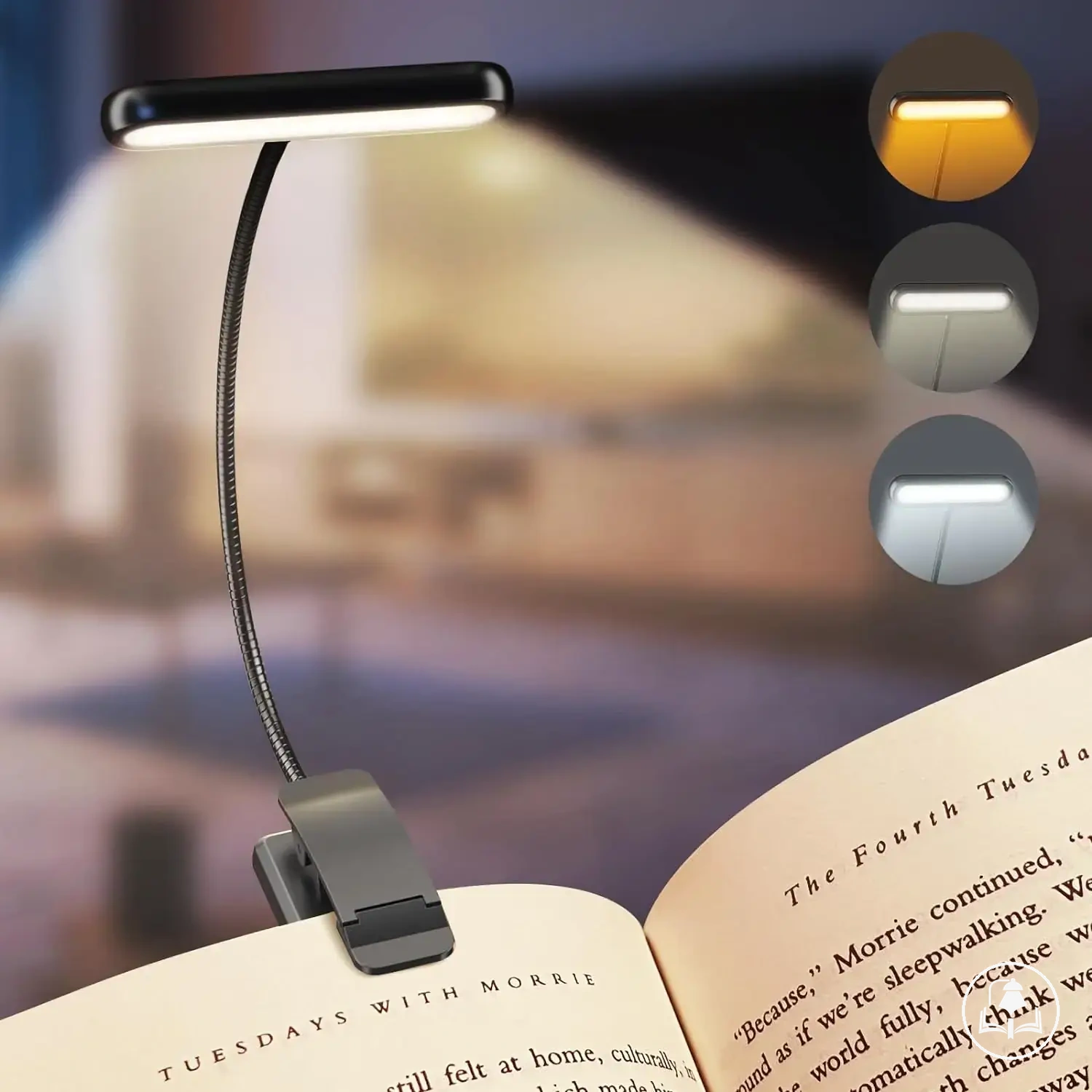
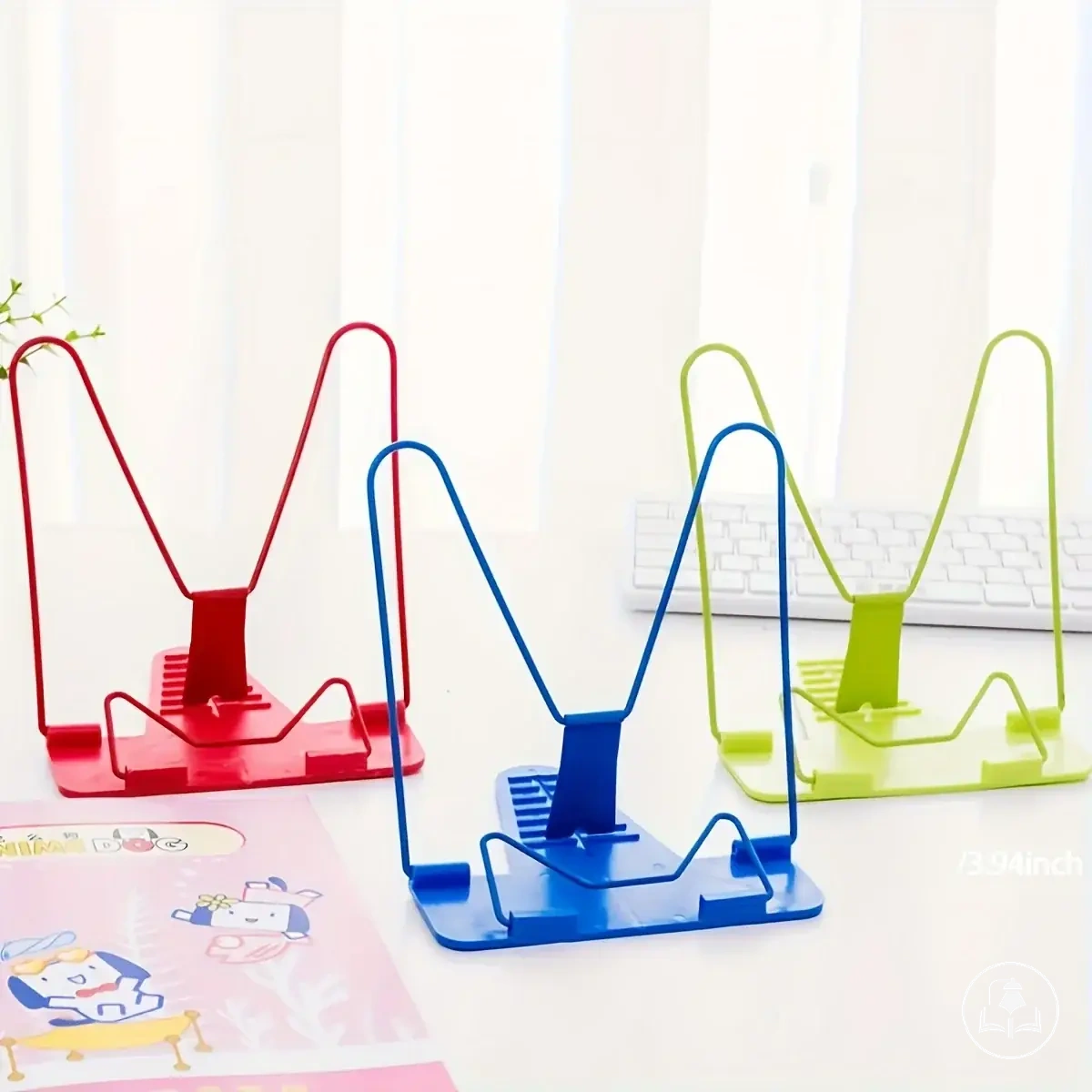
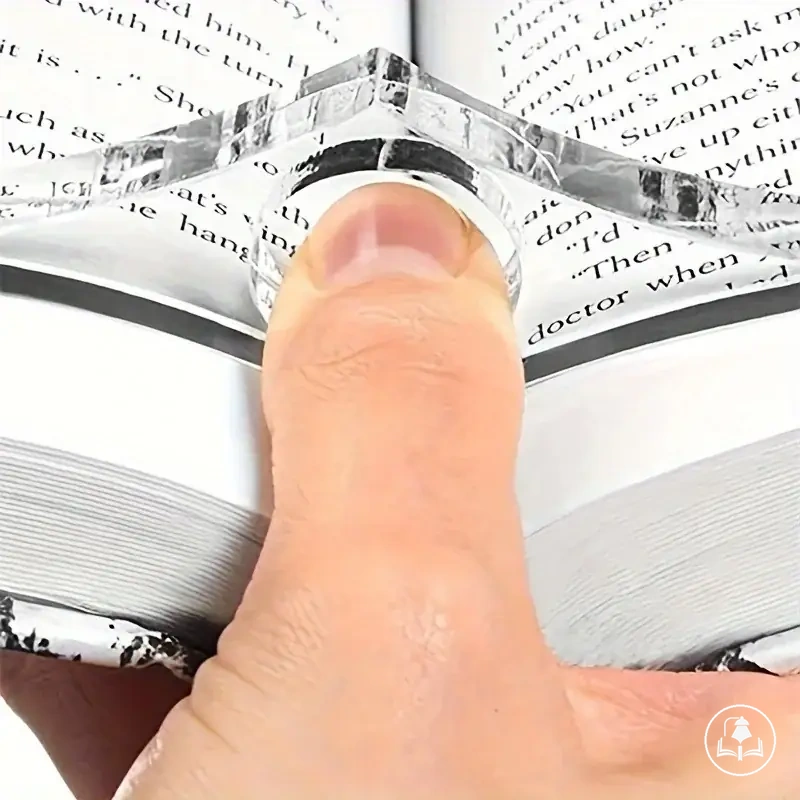
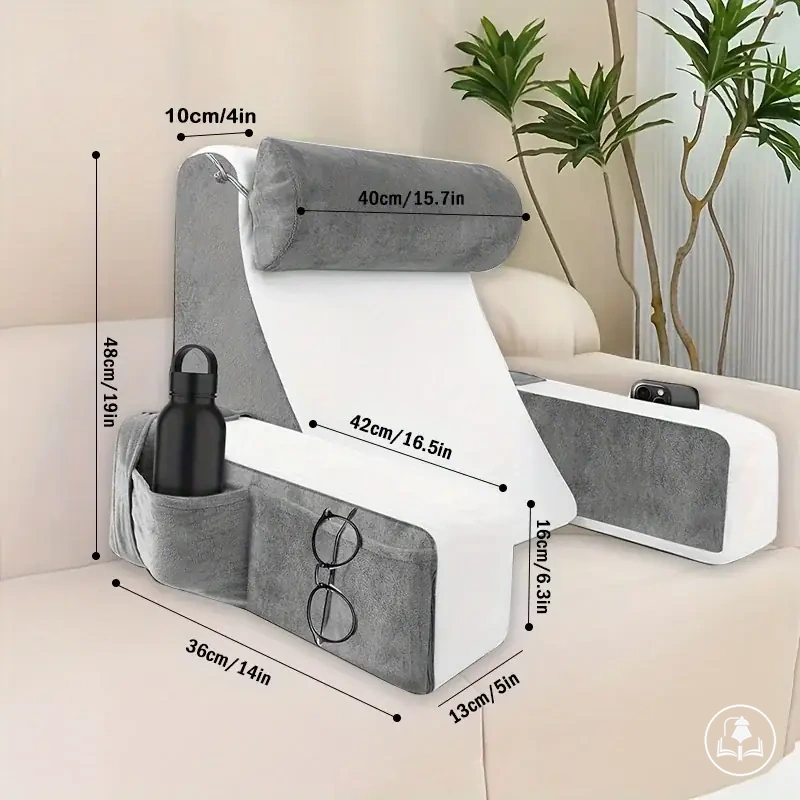
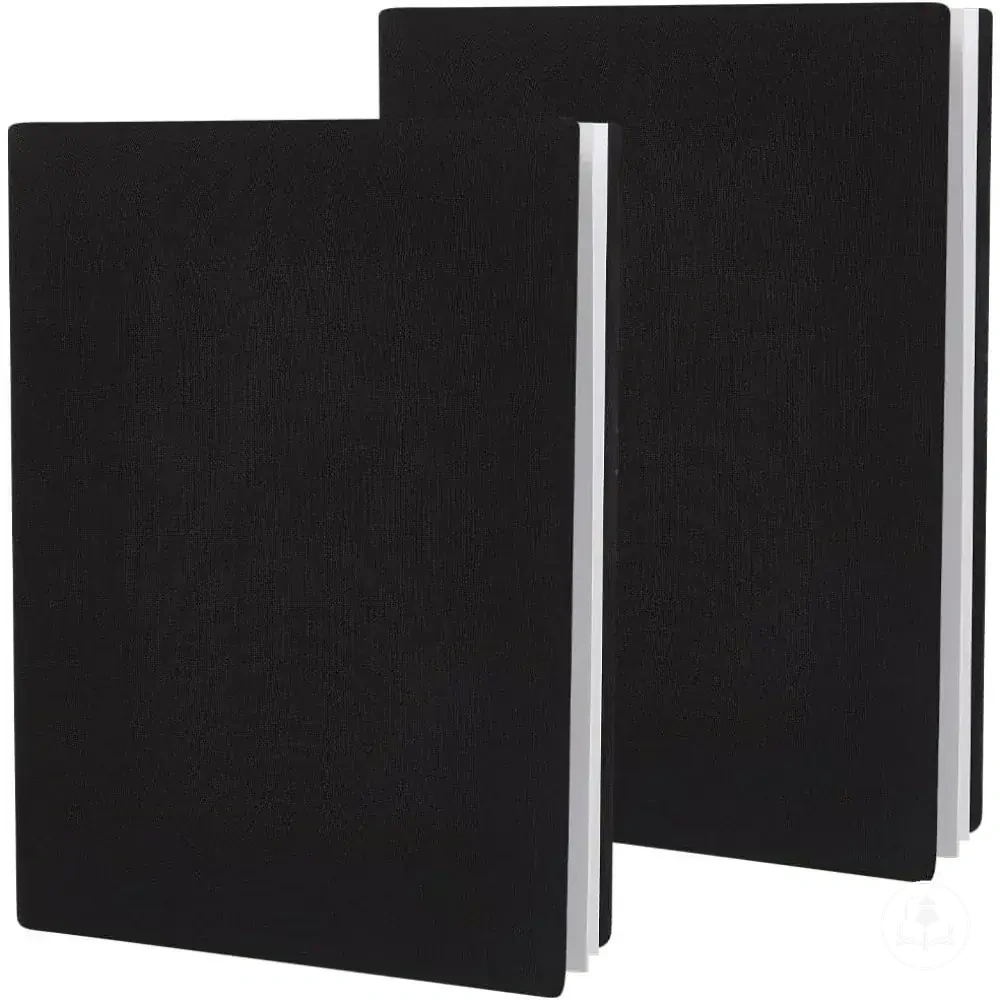
The products below are useful examples for comparing available options. Before buying, check that the compatibility criteria, key features, and product details match your needs.
Buying Checklist Before Price Checking
Buying readiness starts after need, fit, and function are verified. Price checking should come after confirming that the accessory solves a recurring reading need, suits the book format, fits the reading position, and remains practical for everyday use.
Use this final checklist as a pass/fail step before comparing merchants or prices:
- Need confirmed: if the accessory does not address a recurring reading friction, pause before price comparison.
- Function matched: if the accessory function overlaps with an item already used, check whether it adds distinct value.
- Book fit checked: if the accessory does not suit the book format or page behavior, reject it before comparing price.
- Reading position checked: if the accessory does not work with the usual reading posture or surface, everyday usefulness may be limited.
- Storage and movement checked: if size, weight, or setup effort creates friction, portability may reduce usefulness.
- Use frequency checked: if the accessory is unlikely to be used often, a lower price may not make it a better choice.
After these checks are clear, readers can compare reading accessories price and value with stronger context because the main fit risks have already been filtered out.
Readers who still need to narrow the shortlist can review best options by need after deciding which criteria passed and which accessories failed the checklist.
The products below are useful examples for comparing available options. Before buying, check that the compatibility criteria, key features, and product details match your needs.
This chart shows the six pass/fail checks to complete before comparing prices or merchants for a reading accessory.

Common Reading Accessory Selection Mistakes
Selection mistakes are easiest to avoid when reading needs, fit, and function remain the priority throughout the decision process. Most unused or disappointing accessories result from a mismatch between the accessory and the reading situation rather than from the accessory category itself.
The following mistakes can help identify where a selection decision may need adjustment before an accessory becomes unused, duplicated, or difficult to integrate into a regular reading routine.
- Overbuying: purchasing multiple accessories before confirming a specific need can create unnecessary overlap. A safer correction is to identify the primary reading friction first and add support only when a second need remains unresolved.
- Choosing by trend: a popular accessory may not match individual reading habits. A safer correction is to compare the accessory against actual reading conditions rather than popularity.
- Ignoring book format: an accessory may be less useful when book size, weight, or page behavior differs from the intended use case. A safer correction is to verify format compatibility before selection.
- Underestimating portability: a useful accessory may see limited use when storage, transport, or setup becomes inconvenient. A safer correction is to match portability expectations to reading routines.
- Duplicated functions: multiple accessories that perform nearly the same task can reduce overall usefulness. A safer correction is to confirm that each accessory contributes a distinct function.
- Poor fit: an accessory may be less effective when it does not suit the usual reading position or environment. A safer correction is to evaluate fit under normal reading conditions.
- Unused accessories: an accessory may remain unused when the original problem occurs infrequently. A safer correction is to prioritize accessories that address recurring reading needs.
Most selection mistakes can be corrected by returning to the previously established fit, function, and usage criteria rather than adding more accessories. The goal is not to avoid every mistake, but to reduce the likelihood of choosing accessories that provide limited practical value in everyday reading.
This chart shows three common reading accessory selection mistakes and their recommended corrections.
