

Reading Accessories Comparison by Function and Use Case
Reading accessories should be compared by function and reading situation before any product option is considered. A useful comparison starts with the reading problem each accessory solves, then checks the use case, comfort requirement, visibility condition, support level, portability need, book fit, and likely tradeoff.
Bed reading may make support and page holding more important, while desk reading can place more weight on lighting, note-taking, and surface stability. Travel reading often changes the decision toward portability, storage, and book protection, while low-light reading makes visibility and glare control part of the comparison. These situations prepare the choice by function rather than by a long list of accessory types.
Similar reading accessories can solve different problems because the same reading setup may involve comfort, visibility, page control, or protection at the same time. A book support tool may help with positioning, while a lighting tool may change page visibility under a different condition. The better decision comes from separating function, fit, environment, and value as the main comparison criteria.
Product examples, when they appear later, should be treated as illustrative options rather than the center of the comparison. The main purpose is to compare reading accessories by decision factors before moving toward any offer or merchant page.
What Counts as a Reading Accessory in This Comparison
Reading accessories are supporting tools used to improve comfort, visibility, page control, note-taking, portability, or book protection during reading. They support the reading experience rather than serving as the primary content being read. This comparison scope focuses on function and reading purpose.
Reading accessories are included when they solve a specific reading problem such as low-light visibility, book support, progress tracking, or protection during storage and transport. Items that belong mainly to broader furniture, electronics, or unrelated stationery uses fall outside this comparison scope. For a broader definition of reading accessories, the comparison begins with functional purpose rather than product grouping.
What Counts as a Reading Accessory in This Comparison is organized by function. The image below labels included accessory groups by lighting, support, tracking, and protection roles before later comparisons examine their use cases and tradeoffs.

- Book lights and reading lamps — support visibility during low-light reading.
- Book holders, book stands, reading pillows, and lap desks — provide reading support and positioning.
- Page holders and bookmarks — assist with page control and location tracking.
- Reading trackers and reading journals — support progress tracking and note-taking.
- Book sleeves and book covers — help with portability and book protection.
Items can overlap when a single accessory supports more than one reading activity. In those cases, overlap should be judged by the main reading function the accessory serves.
How Reading Accessories Differ by Primary Function
Primary function is the safest first comparison lens because it connects each accessory group to the reading problem it is intended to address. Features may vary within a group, but the main function usually determines value, tradeoff, and decision effect. This creates a clearer function-based grouping before individual features are compared.
An accessory group is most useful when its main function matches the reader's immediate need. Lighting groups focus on visibility, support groups focus on positioning and stability, while page control, organization, and protection groups address different reading needs. How Reading Accessories Differ by Primary Function becomes clearer when accessory groups are organized by problem solved and decision effect.

| Accessory group | Main function | Useful condition | Decision effect |
|---|---|---|---|
| Lighting | Improve visibility | Low-light reading or glare concerns | May improve reading comfort when visibility is limited |
| Support | Provide stability and positioning | Hands-free reading or posture preferences | Can influence comfort and reading position choices |
| Page Control | Manage pages and reading progress | Frequent page turning or location tracking | May simplify navigation through reading material |
| Organization | Track notes and progress | Annotation or reading record needs | Can support reference and recall activities |
| Protection | Help reduce wear during transport or storage | Travel, carrying, or shelf storage | May affect portability and handling decisions |
A book light and a bookmark may appear similarly simple, but they differ because one supports visibility while the other supports page control. For a broader breakdown of reading accessory types, function should remain the first filter before evaluating features, use cases, and tradeoffs.
Lighting, visibility, and eye-comfort support
Lighting accessories mainly change page visibility by directing illumination onto text under specific reading conditions. A book light or reading lamp can make content easier to see in low-light situations, but the outcome depends on room lighting, page finish, font size, and reader sensitivity.
Lighting, visibility, and eye-comfort support are affected by how light reaches the page. The image below shows how beam direction and reading condition can influence page visibility during low-light reading.

A book light usually provides focused illumination with adjustable beam direction, while a reading lamp often illuminates a broader area around the reading space. Brightness control and light placement can influence glare and reading comfort, and the effect may vary with room lighting, page finish, font size, and the reading surface.
In low-light or shared-space reading, a focused light source may help direct illumination toward the page instead of the surrounding area. Visibility and comfort can vary between readers because reading conditions and sensitivity to glare are not the same in every situation.
Book support, posture, and hands-free reading
Book support accessories mainly change how a book is held and positioned during reading. A book support setup can reduce the need for continuous page holding or grip, but fit depends on book size, body position, surface type, and support design.
Support accessories such as a book holder, book stand, or reading support can improve stability and maintain a chosen angle adjustment during hands-free reading. Stability, angle adjustment, and body position influence how reliably a book remains in place, while surface type can affect overall support performance. Comfort may vary depending on setup conditions, reading duration, and individual posture.
Support effectiveness is fit-dependent and can be compared through a few key variables:
- Book size: Larger or heavier books may require greater stability and more consistent page holding.
- Angle adjustment: Adjustable positioning can change viewing angle and affect reading posture.
- Base stability: A more stable setup may improve hands-free reading reliability under suitable conditions.
- Surface type: Desks, laps, beds, and other surfaces can influence how securely a support accessory sits.
- Body position: Sitting or reclining positions may change support fit and ease of use.
A support accessory that works well on a desk may behave differently on a soft bed surface because stability conditions change. Readers evaluating options for comfort support should consider posture, support surface, and book handling needs together rather than relying on a single feature.
This chart shows the key factors that determine book support effectiveness for hands-free reading, focusing on book size, support design, and user context.

Page marking, reading progress, notes, and book protection
Organization and protection accessories support continuity and book condition more than reading comfort or visibility. These accessories help readers maintain their place, track reading progress, record notes, and support book protection through a shared organization-and-protection function.
Organization and protection accessories form a category focused on reference, annotation, continuity, and handling rather than visibility or reading support. The main distinctions within the group are page marking, reading progress tracking, notes, and book protection.
The shared organization-and-protection function can be understood through these accessory roles:
- Bookmark: A page marking tool used during active reading for place keeping, resulting in easier continuity between reading sessions.
- Reading tracker: A progress tracker used when monitoring reading progress, resulting in clearer visibility of completed and remaining reading.
- Reading journal: A notes and reference tool used when capturing annotations, resulting in easier review of recorded observations.
- Book sleeve: A protective cover used during carrying or storage, resulting in added book protection that may vary by material and handling conditions.
- Book cover: A protective layer used during regular handling and transport, resulting in support for book condition and portability depending on reader behavior and cover design.
This chart shows the main categories of organization and protection accessories—page marking, notes, and protection—and their key tools and benefits.

Comparison Criteria That Change the Better Choice
Comparison criteria change the better choice because different reading situations prioritize different decision factors. Comfort, stability, adjustability, portability, storage, durability, book fit, lighting context, and ease of use can lead to different outcomes when the evaluation criteria change.
Comparison criteria work as tradeoff filters that help evaluate similar accessory types under different conditions. A feature that improves stability may reduce portability, while a simpler design may improve storage convenience or ease of use. The table below organizes Comparison Criteria That Change the Better Choice by criterion, condition, tradeoff, and likely decision effect.
| Criterion | Condition to check | Tradeoff | Likely decision |
|---|---|---|---|
| Comfort | Reading duration and body position | Additional support may reduce portability | Choose the option that better matches the reading setup |
| Stability | Book weight and support surface | Higher stability may require a larger accessory | Choose stronger support when book movement is more likely |
| Adjustability | Need to change viewing angle | More adjustment may add complexity | Choose adjustable designs when reading positions vary |
| Portability and Storage | Travel frequency and available space | Compact designs may offer fewer support features | Choose smaller accessories when convenience is a higher priority |
| Durability and Book Fit | Book size, handling frequency, and fit requirements | Broader fit may increase size or weight | Choose accessories that align with the intended book type |
| Lighting Context and Ease of Use | Low-light reading, shared space, or quick access needs | Additional features may reduce simplicity | Choose the option that suits the reading environment |
In a travel-focused use case, a simple accessory such as a bookmark or compact light may provide more value than a larger support accessory because portability and storage become stronger decision factors. When applying broader selection criteria, the better choice depends on the reading context, use frequency, and the tradeoff being evaluated.
Comfort, stability, adjustability, and book fit
Physical fit criteria determine whether support accessories remain stable and comfortable during reading. Comfort, stability, adjustability, and book fit depend on book format, user position, support surface, and accessory design under the intended reading condition.
Physical fit criteria influence how reliably holders, stands, pillows, lap desks, and page holders support a book during use. Book dimensions and support mechanics affect support fit, holding strength, angle control, and reliability, making these factors useful for comparison before choosing between accessory types.
The checklist below connects physical fit criteria to book size and reading posture:
- Book weight: Check whether the support can handle the intended book weight; greater weight may require a more stable base for reliable positioning.
- Page spread: Check how the accessory accommodates the page spread; wider formats may affect support fit and page control.
- Grip strength: Check the holding strength used to secure pages or covers; stronger grip may improve reliability depending on the book format.
- Support angle: Check whether the support angle matches the preferred posture; angle differences can influence comfort and viewing position.
- Surface stability: Check the stability of the reading surface; a less stable surface may reduce support reliability.
- Adjustment range: Check the available adjustment range; greater adjustability may improve fit when body position or reading posture changes.
This chart groups the six main physical fit criteria for book supports into three categories: book attributes, support mechanics, and surface and adjustability.

Portability, storage, durability, and everyday convenience
Practical ownership criteria affect daily use beyond the reading session because portability, storage, durability, and everyday convenience influence how easily an accessory fits into regular routines. These criteria involve tradeoffs rather than automatic benefits, since a more portable or compact design may differ from one optimized for stability, handling, or storage conditions.
In home use, storage footprint and accessibility may influence the decision differently than in travel or shared-storage situations where portability, weight, and travel suitability become more important. Material resilience, cleaning ease, and handling conditions can also affect long-term usability, making these ownership criteria useful comparison filters when evaluating portable reading accessories.
The criteria below separate carry, store, clean, and reuse considerations by decision effect:
| Criterion | Useful condition | Tradeoff | Decision signal |
|---|---|---|---|
| Foldability | Limited storage space or frequent transport | Folding designs may add setup steps | Useful when compact storage is a priority |
| Weight | Regular carrying or repositioning | Lighter designs may differ in support characteristics | Useful when portability affects daily use |
| Storage Footprint | Shared desks, shelves, or storage areas | Smaller footprints may reduce support size options | Useful when storage space is limited |
| Material Resilience | Frequent handling and repeated use | Durability may vary by material and handling condition | Useful when wear is part of the comparison |
| Cleaning Ease and Travel Suitability | Daily handling, movement, or storage changes | Convenience characteristics may vary by design and material | Useful when reuse frequency and carrying conditions matter |
Common Reading Accessory Comparisons
Common comparisons are useful when two accessories appear to solve the same reading problem but differ in accessory function, tradeoff, or best-fit condition. A pairwise comparison separates a shared use case into the key difference that influences the decision, creating a consistent comparison method.
Similar names can create the expectation that two accessories serve the same purpose, but similar names do not always indicate similar functions. An accessory pair may share a use case while differing in context, user expectation, boundary, or fit outcome. The child comparisons below use pairwise comparison logic to identify the key difference, explain where that difference matters, and clarify which option may fit better under specific conditions.
This chart explains the condition for using pairwise comparison, the key insight about similar accessory names, and the logical steps that lead to a better-fit recommendation.

Book light versus reading lamp
The choice between a book light and a reading lamp depends mainly on attachment needs, lighting control, and reading location. A book light attaches directly to the book, while a reading lamp illuminates the reading area from a separate position, so the better option varies by setup and use condition.
For travel or bed reading, a book light may be more suitable when portability and direct page illumination are priorities. For desk or room reading, a reading lamp may fit better when broader coverage, shared-space use, or a fixed reading setup is preferred. The comparison below highlights the key differences between a book light and a reading lamp.
| Option | Attribute | Trade-off | Best use case |
|---|---|---|---|
| Book light | Provides focused beam direction, direct attachment, and local brightness control | May illuminate a smaller area and depends on its power source and attachment position | Low-light reading, travel, portable reading setups, or situations requiring direct page lighting |
| Reading lamp | Illuminates a wider reading setup and may provide broader lighting control | Usually requires a fixed location and glare risk may vary with placement and room light | Desk reading, room-based setups, or shared-space use where wider illumination is preferred |
Clip-on book light versus neck reading light
The choice between a clip-on book light and a neck reading light depends mainly on placement, movement, and how the light source follows the reading position. A clip-on book light attaches to the book, while a neck reading light is body-worn, so the better option may vary with reading movement, placement, and comfort preferences.
When light does not reach the page consistently, beam angle and attachment stability can influence page coverage and visibility. Design, clip strength, reading position, battery dependence, and movement can affect how each portable reading light performs in shared-space reading and other reading conditions. The comparison below highlights the key differences.
| Option | Placement | Trade-off | Better condition |
|---|---|---|---|
| Clip-on book light | Attaches directly to the book | Attachment stability may depend on clip strength, book position, and beam angle | When a fixed light position and direct page-focused illumination are preferred |
| Neck reading light | Worn around the neck and moves with the reader | Page coverage may vary with movement, reading position, beam angle, and battery dependence | When body-worn lighting and greater freedom of movement are preferred during shared-space reading |
Book holder versus book stand
The choice between a book holder and a book stand depends mainly on whether gripping support or angled support is needed. A book holder typically grips or assists with page holding, while a book stand mainly provides angled support and stability, although naming variation can differ by product design.
Many readers assume the terms refer to the same type of book support because product labels often overlap. In practice, a book holder and a book stand may share functions, but differences in angle control, support surface, page holding, book size compatibility, and stability can influence the decision. The comparison below clarifies the distinction.
| Option | Main support method | Trade-off | Better condition |
|---|---|---|---|
| Book holder | Uses gripping support or page holding to keep the book positioned | Book size compatibility and stability may vary by grip design, book fit, and support surface | When page holding and hands-free support are higher priorities |
| Book stand | Uses angled support to position and stabilize the book | Page holding capability may depend on design, while storage footprint can vary by stand size | When angle control, desk use, bed use, or a stable viewing position are more important |
Reading pillow versus lap desk
The choice between a reading pillow and a lap desk depends on whether soft body support or a firm surface is more important for the reading setup. A reading pillow cushions and supports the body, while a lap desk provides a firm surface with greater surface stability for books, tablets, or writing, depending on reading position and use conditions.
During bed reading or sofa reading, cushion shape, firmness, and body position can influence how a reading pillow feels, while a lap desk may provide a more stable surface for writing, device use, or maintaining a book angle. Comfort and posture can vary by body size, bed setup, reading duration, and surface condition, so posture, surface stability, and reading location often influence the decision. The comparison below highlights the main differences.
| Option | Support type | Trade-off | Better use case |
|---|---|---|---|
| Reading pillow | Provides body support through a cushioned shape and soft comfort | Surface stability and usable surface area may be more limited depending on firmness and setup | Bed reading, sofa reading, or situations where body support is a higher priority |
| Lap desk | Provides a firm surface that supports books, tablets, or writing activities | May offer less cushioning, while storage size can vary by design and surface area | Writing, device use, or reading situations where stability and book angle control are more important |
Bookmark versus reading tracker
The choice between a bookmark and a reading tracker depends on whether simple page marking or progress tracking is more important. A bookmark preserves place through page retention, while a reading tracker adds progress visibility and reading habit context across reading sessions, making both tools useful for reading continuity.
When a simple marker is enough to return to the correct page, a bookmark usually meets the need without additional tracking. When progress tracking or reading habit monitoring adds value, a reading tracker can record reading progress over time, and the comparison below highlights the main decision factors.
The following points compare bookmark and reading tracker functions as continuity tools.
- Page retention: A bookmark marks the current page, while a reading tracker records progress beyond a single page marker.
- Progress visibility: A bookmark focuses on page marking, while a reading tracker supports progress visibility when used consistently.
- Reading habit: A bookmark preserves place, while a reading tracker can support reading habit awareness depending on reader behavior.
- Annotation support: A bookmark provides limited annotation support, while a reading tracker may include notes, a reading log, or a progress log.
- Reusability and book safety: Both tools are reusable, but a bookmark remains inside the book while a reading tracker is typically kept separate from the reading material.
Book sleeve versus book cover
The choice between a book sleeve and a book cover depends on whether removable carrying protection or fitted protection is more important. A book sleeve provides carrying protection during transport and storage, while a book cover remains attached or fitted during use, making the decision depend on travel needs, portability, and reading conditions.
During storage and travel, a book sleeve can cover more of the book when not in use, while a book cover focuses on fitted protection during repeated handling and reading. Protection, fit, and coverage area depend on material, closure type, storage convenience, and book format compatibility, and the comparison below highlights the main differences.
The table below compares book sleeve and book cover protection methods under different conditions.
| Option | Protection method | Trade-off | Better condition |
|---|---|---|---|
| Book sleeve | Provides carrying protection through a removable protective sleeve or carrying pouch | Must be removed for reading, while fit and coverage area depend on material, closure type, and book format | Travel, transport, or storage situations where portability and carrying protection are priorities |
| Book cover | Provides fitted protection by covering the book during handling and reading | Fit and coverage depend on material and book format, while transport coverage may be more limited than a separate sleeve | Repeated handling, in-use reading, or situations where fitted protection is preferred |
Pros and Cons Across Accessory Types
Pros and cons across accessory types depend on reading context because advantages, limitations, and tradeoffs can change with reading conditions, storage needs, and handling preferences. A benefit in one situation may become a drawback in another, so these comparisons are best interpreted as context-dependent rather than universal.
When readers compare accessory groups as condition-based tools instead of rankings, advantages and limitations become easier to evaluate against actual reading needs. The table below summarizes the main strengths, limits, and best-fit conditions across accessory types without treating any option as a winner or best overall choice.
| Accessory type | Main advantage | Main limitation | Best-fit condition |
|---|---|---|---|
| Lighting tools | Offer improved visibility when available light is limited | Greater portability may reduce coverage area, while broader illumination may increase glare depending on placement | When reading conditions require additional page visibility |
| Support tools | Offer stability and comfort during reading | Greater stability may reduce portability or require more storage space | When posture support or hands-free reading is important |
| Page-control tools | Offer continuity and convenience through page retention or page management | Benefits may be limited when page handling is not a reading concern | When maintaining reading position improves the reading experience |
| Organization tools | Offer progress visibility, organization, and reading continuity | Additional tracking or note keeping may add complexity when simple page marking is sufficient | When reading progress or organization extends beyond place keeping |
| Protection tools | Offer carrying protection or fitted protection depending on the accessory type | Fit, coverage area, portability, and storage convenience may vary by material and book format | When travel, storage, or repeated handling affects the protection decision |
Best Accessory Types by Reading Situation
The best accessory type changes by reading situation because each setting creates different support, visibility, portability, and organization needs. Bed, sofa, desk, travel, low-light, shared-space, note-taking, and book protection contexts should be matched by setting and reading habit.
For bed or sofa reading, support and comfort may matter more, while desk reading and note-taking often depend on surface stability and organization. Travel, low-light, shared-space, and book-protection situations can favor portability, focused lighting, storage, or protective coverage. The table below matches Best Accessory Types by Reading Situation without making product recommendations.
| Reading situation | Useful accessory function | Helpful attribute | Decision cue |
|---|---|---|---|
| Bed | Support and positioning | Soft support or adjustable angle | Useful when reading position affects comfort or book handling |
| Sofa | Flexible support | Cushioning, page control, or compact support | Useful when body position changes during reading |
| Desk | Surface support and organization | Stable base, writing surface, or note access | Useful when reading is combined with note-taking or reference use |
| Travel | Portability and storage | Compact size, light weight, or protective storage | Useful when carrying space and setup speed matter |
| Low-light | Visibility support | Focused lighting and brightness control | Useful when page visibility depends on lighting context |
| Shared-space | Controlled lighting or quiet page control | Directed beam, portability, or minimal setup | Useful when the accessory should support reading without disturbing the setting |
| Note-taking | Reference and organization | Writing surface, reading journal, or tracker support | Useful when notes, annotation, or progress visibility matter |
| Book protection | Storage and handling protection | Coverage area, fit, and material suitability | Useful when travel, storage, or repeated handling affects book condition |
Similar-looking situations should be separated by the main constraint: bed and sofa reading may both involve comfort, but desk and note-taking situations often require a stable surface or organization support. For a need-based next step, compare best reading accessories by need after the accessory type has been matched to the reading situation.
Bed, sofa, desk, travel, and shared-space reading
Bed reading, sofa reading, desk reading, travel, and shared-space reading each change the value of lighting, support, portability, and organization accessories. A reading location changes which accessory functions are more useful because space, light, movement, and storage constraints vary by setting, creating a location-based comparison frame.
When space, movement, lighting, or storage become constraints, accessory choices often shift from comfort-focused support to portability, organization, or visibility needs. For example, bed reading accessories may prioritize support and lighting, while desk or travel contexts may favor stability, portability, or storage efficiency. The location comparisons below highlight common constraints and tradeoffs.
- Bed reading: A reclined environment may favor support and lighting, but added support features can require more storage space.
- Sofa reading: A flexible seating environment may favor hands-free support or page control, but posture changes can reduce stability.
- Desk reading: A fixed surface may favor organization, note-taking, and stable book positioning, but larger accessories can occupy more surface area.
- Travel: An on-the-go reading environment may favor portability, storage, and protection, but compact designs can involve support tradeoffs.
- Shared-space reading: A shared room may favor focused lighting and controlled visibility, but glare and courtesy considerations can limit lighting options.
When One Accessory Can Replace Another
Replacement depends on whether two accessory types can satisfy the same reading need under shared functional conditions. One accessory type can replace another only when functional overlap is strong enough to match reading position, lighting need, portability, storage, and fit requirements in the same use context.
Even when overlap exists, replacement may not hold if non-replaceable attributes affect how the accessory performs in real use. Differences in book format compatibility, reading position stability, lighting need, portability, or storage constraints can limit substitution even when the core function appears similar. The checklist below supports a structured compatibility check before treating one accessory type as a replacement for another.
Replacement logic varies across accessory categories. A stand and holder may overlap in support function under certain conditions, a bookmark and tracker may overlap in continuity use, and a sleeve and cover may overlap in protection use, but these relationships depend on design and context rather than universal equivalence.
Replacement decision checklist:
- Functional overlap: Confirm whether both accessory types serve the same reading need rather than different supporting roles.
- Book format: Check whether both options support the same book size, structure, or reading material type.
- Reading position: Evaluate whether both accessories maintain stable use under the same posture and angle requirements.
- Lighting need: Determine whether either accessory depends on or ignores lighting conditions required for reading clarity.
- Portability: Assess whether movement and travel requirements affect usability differences between options.
- Storage: Compare space requirements and storage constraints that may change practical usability.
- Non-replaceable attributes: Identify features that cannot be replicated across accessory types in the same context.
This chart shows the key criteria to determine if one accessory can replace another, focusing on functional overlap, compatibility, and practical constraints.

When Accessories Work Better as a Small Reading Setup
Combining accessories works best when each item in a small reading setup solves a distinct function instead of repeating the same role. Combining accessories depends on separating complementary functions such as support, visibility, protection, and continuity so they do not create a duplicate function in use.
Problems appear when a single accessory cannot cover multiple reading demands like light, support, or page control at the same time. In these cases, combining accessories creates complementary functions such as light plus holder or pillow plus page holder, while sleeve plus bookmark and journal plus tracker support protection and progress tracking across different conditions. The next step is a setup matrix that shows how combining accessories changes by situation.
Bed reading and travel reading often show where a small reading setup becomes more useful than a single tool because the constraints differ across comfort, movement, and storage. Bed reading may rely on pillow plus page holder for support and page control, while travel reading may rely more on sleeve plus bookmark for protection and continuity, with tradeoff depending on portability and space limits.
A single accessory is usually enough when one reading need dominates, such as only page marking or only basic lighting, but a small reading setup becomes more useful when multiple needs must be balanced. Combining accessories is typically chosen when complementary functions matter more than simplicity, especially when storage, reading position, or lighting need cannot be covered by one tool alone.
The products below are useful examples for comparing available options. Before buying, check that the compatibility criteria, key features, and product details match your needs.
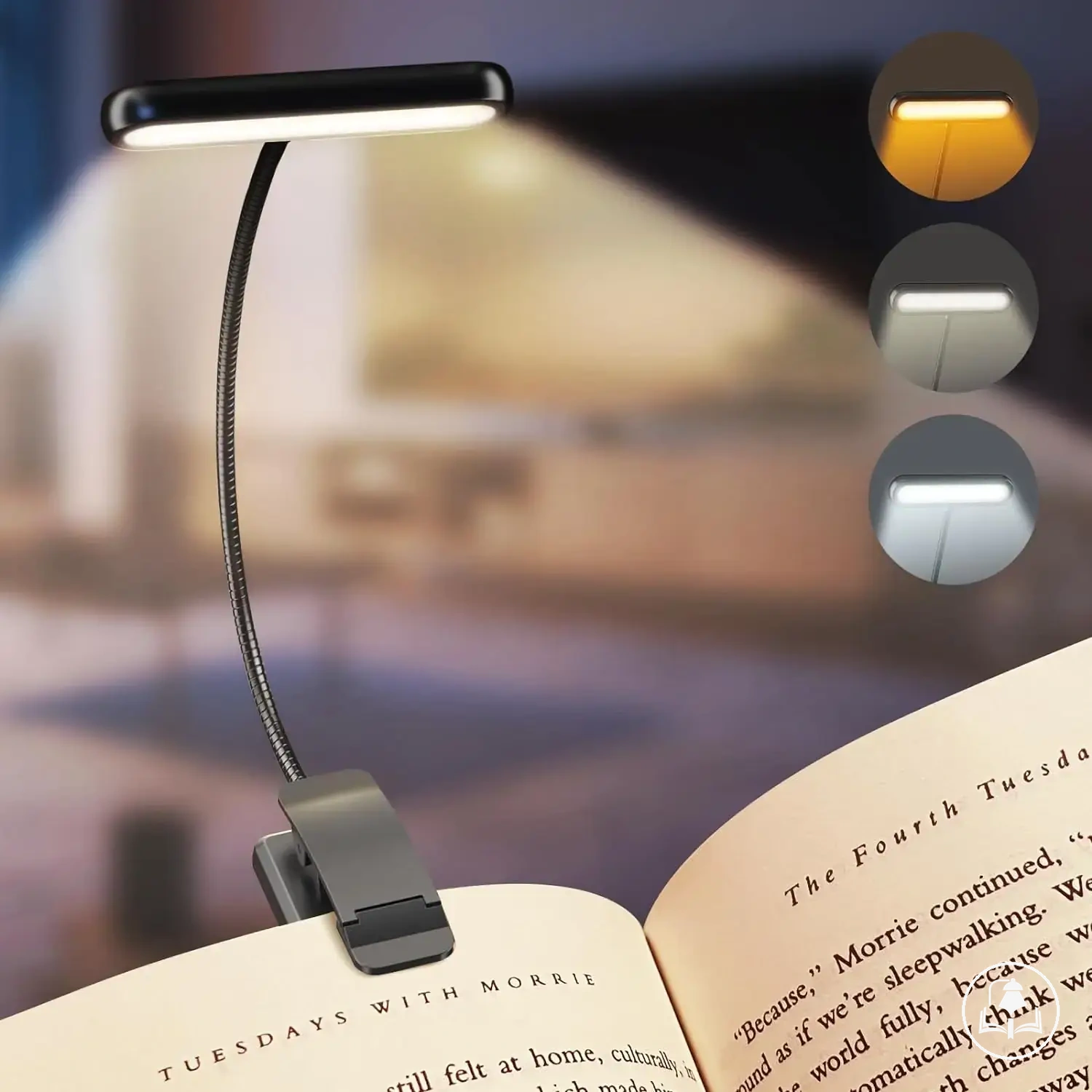
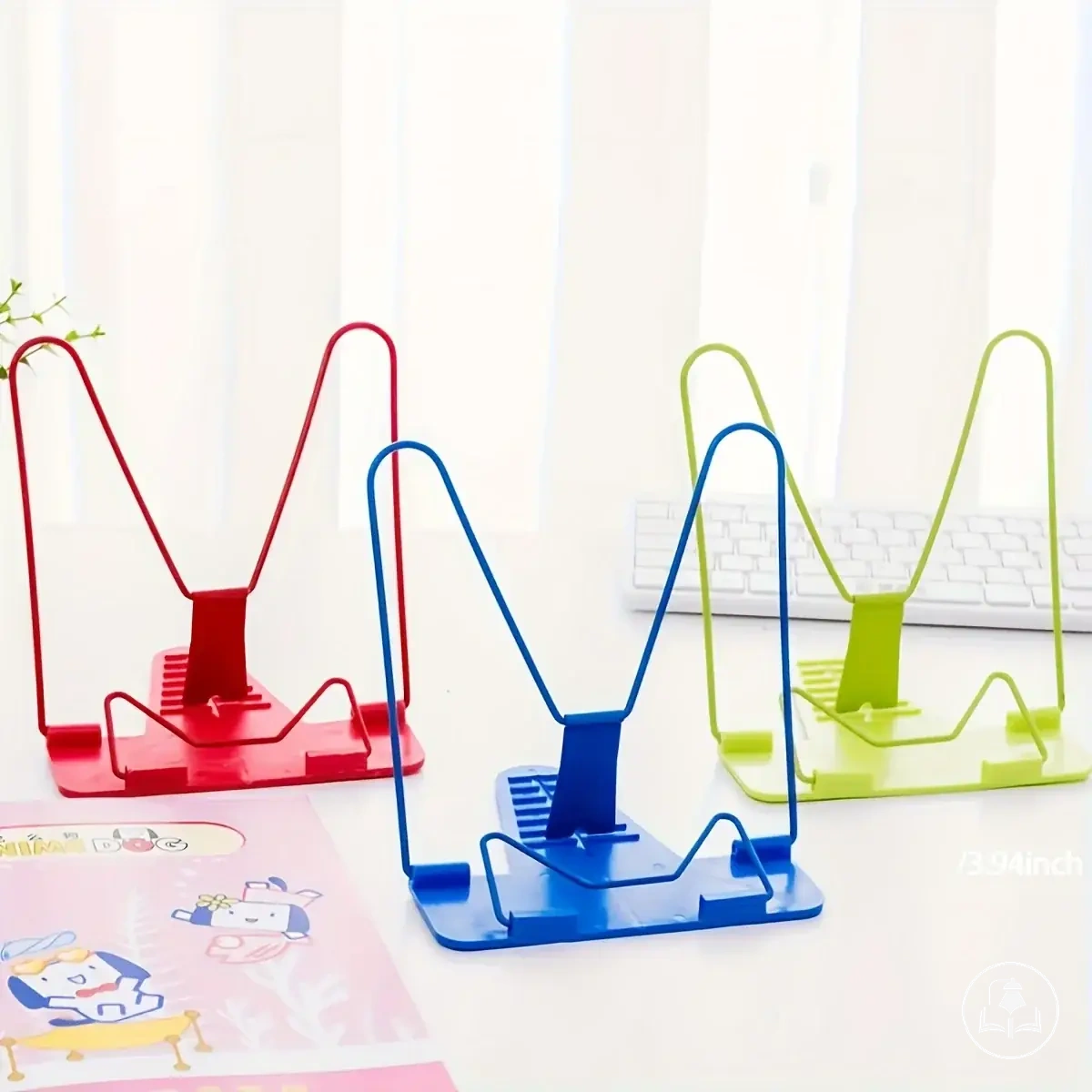

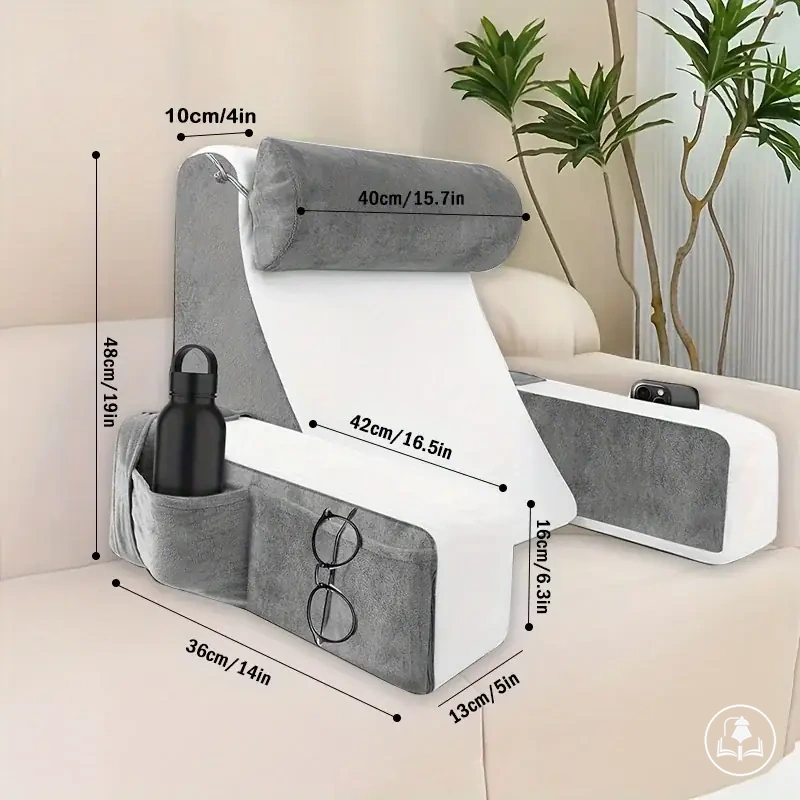
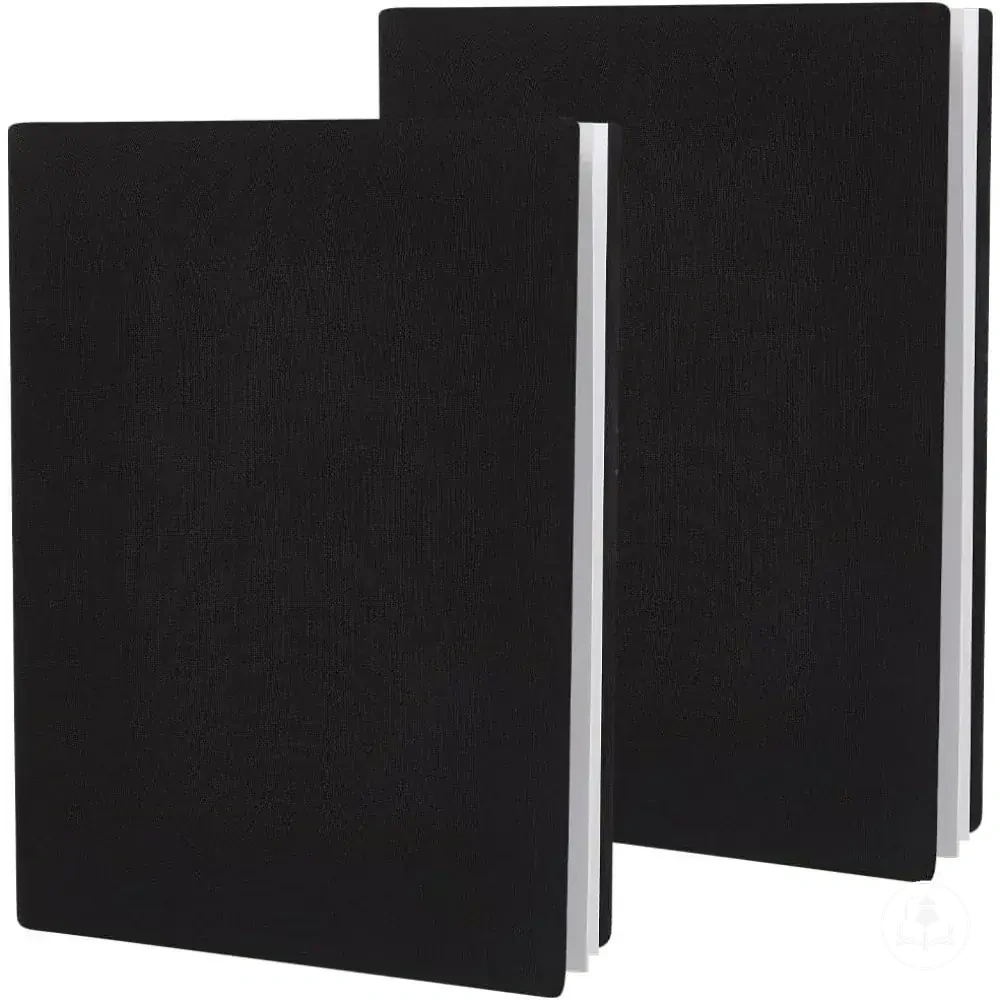
When Accessories Work Better as a Small Reading Setup helps clarify how combining accessories changes by reading condition and constraint.
| Situation | Complementary accessories | Distinct functions | Tradeoff |
|---|---|---|---|
| Bed reading | light plus holder; pillow plus page holder | visibility and support with page control | more setup space and possible duplicate function if overcombined |
| Travel reading | sleeve plus bookmark | protection and continuity | reduced simplicity but better portability handling |
| Desk reading | journal plus tracker | notes and progress tracking | extra organization effort compared to single-tool use |
| Shared reading space | light plus holder | controlled visibility and stable positioning | lighting direction and space coordination constraints |
Value Tradeoffs Across Simple and Support-Based Accessories
Value tradeoffs across simple accessories and support-based accessories depend on frequency of use, durability, comfort impact, and replacement need rather than price alone. Decision value changes when the same accessory shifts between occasional use and repeated reading support under different reading conditions.
Simple accessories and support-based accessories differ in how much functional gain they provide versus how much structural or comfort support they add. Simple accessories typically focus on narrow functions such as marking, basic visibility, or light assistance, while support-based accessories extend stability, comfort impact, and usability across longer reading sessions.
Occasional use scenarios tend to favor simple accessories due to lower complexity, while daily or comfort-sensitive reading use cases often increase the value of support-based options. In a criteria-based view, price and value factors depend on frequency of use, durability expectations, comfort impact, and replacement need as part of decision value assessment.
Price remains indicative rather than fixed, and value evaluation depends on how well an accessory balances functional gain with durability and usage frequency over time. Higher-cost support-based accessories may offer stronger long-term value only when frequent use and comfort impact justify the added durability requirements.
The products below are useful examples for comparing available options. Before buying, check that the compatibility criteria, key features, and product details match your needs.
| Accessory group | Cost level | Functional gain | Durability or replacement cue | Decision value |
|---|---|---|---|---|
| Simple accessories | Generally lower indicative cost | Narrow functional gain such as marking, basic lighting, or page tracking | May require earlier replacement under frequent use conditions | Higher value in occasional or light reading scenarios |
| Support-based accessories | Generally higher indicative cost | Broader functional gain including comfort impact, stability, and extended usability | Often longer-lasting under repeated or daily use | Higher value when frequency of use and comfort needs are high |